










Nasal Strips for Swimming: Do They Work in the Pool?
Nasal strips and swimming is a topic that generates a lot of questions — and a lot of confusion. The honest answer requires understanding what strips are designed for and what happens to adhesive in a pool environment.
The Chlorine and Adhesive Problem
Pool chlorine interacts with most adhesive chemistries in ways that degrade bond strength. Even brief immersion — a single 30-minute swim — can weaken standard adhesive strips significantly. Extended immersion over multiple laps will typically cause full adhesive failure. HiStrips are engineered for sweat and heat, not for chlorine immersion — so they are not designed for use during active swimming.
What Swimmers Actually Use Strips For
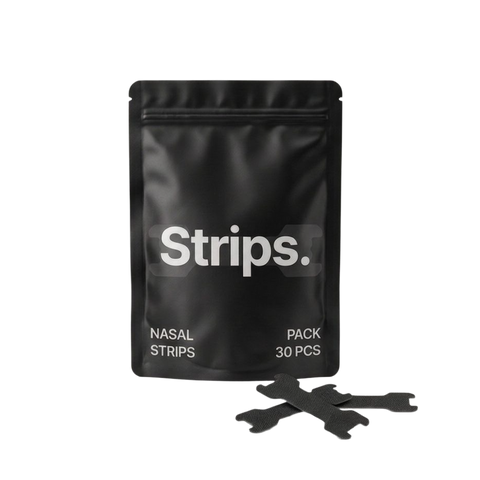
Competitive and recreational swimmers use HiStrips primarily in three contexts: during poolside warm-up and activation before entering the water, during dryland or stretching sessions in the gym area, and during post-swim recovery sessions where nasal breathing support is useful. For the swimming itself, athletes who want to support nasal breathing focus on pre-swim nasal clearing (with saline spray) and post-swim nasal rinsing.
Open Water Swimming
For open water swimming, the situation is slightly different. Breathing is less structured, and at lower intensities swimmers often breathe through the nose between strokes, especially in calmer water. HiStrips applied before entering the water will hold through brief open water exposure (5-10 minutes) but will not survive extended immersion. For open water events, swimmers should apply strips immediately before the start and accept that they will likely need replacement if the event is longer than 30-40 minutes.
The Practical Recommendation
For swimmers: use HiStrips for land-based training components and poolside preparation. Do not attempt to swim with them in — it will not end well for the strip or your performance. HiStrips remain the best option for swimmers who participate in multiple disciplines (swim-bike-run triathlon athletes, for example) where land-based training components are a significant part of the programme.


Leave a comment
This site is protected by hCaptcha and the hCaptcha Privacy Policy and Terms of Service apply.