










Can Vibration Alarms Help If You Sleep Through Multiple Alarms?
Multiple alarms are one of the most common strategies heavy sleepers use — and one of the clearest signals that the alarm system is failing. If you need three, four, or five alarms to wake up, the system itself needs to change. Here is why vibration works when multiple sound alarms fail.
Why Multiple Sound Alarms Stop Working
Auditory habituation explains why multiple sound alarms fail even when single alarms do not. Each repeated alarm that does not result in waking strengthens the brain's classification of that sound as non-threatening. After enough repetitions, the auditory cortex stops routing the alarm signal to the arousal centres even at high volume. Multiple alarms actually accelerate this habituation — they teach your brain that the sound does not require a response.
Why Vibration Interrupts the Habituation Loop
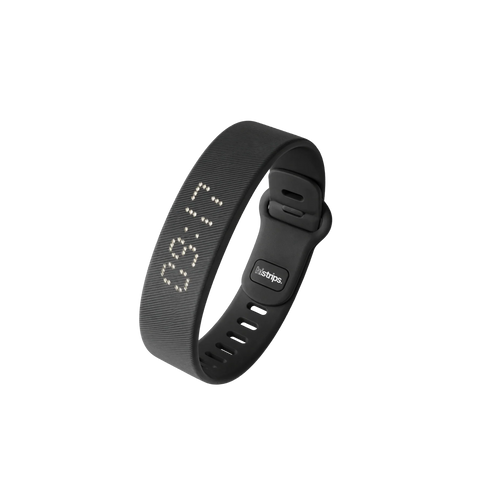
The somatosensory system does not habituate to meaningful tactile stimuli in the same way the auditory system does. Vibration on the wrist is processed as a more significant and harder-to-ignore signal. ONYX's vibration is designed to deliver stimulus above the habituation threshold for even the heaviest sleepers — eliminating the failure pattern that makes multiple sound alarms unreliable over time.
The ONYX Protocol for Multi-Alarm Sleepers
For heavy sleepers who currently use multiple sound alarms: the transition to ONYX is not about adding another alarm. It is about replacing the entire failing system with a single reliable mechanism. Set one ONYX alarm — your actual intended wake time. The graduated escalation mode means you do not need backup alarms. ONYX wakes you once, fully, on time.


Leave a comment
This site is protected by hCaptcha and the hCaptcha Privacy Policy and Terms of Service apply.