








The Best Sleep Schedule for Athletes Starts With Consistency
Discover how a consistent sleep schedule helps athletes recover better, regulate energy, and improve next-day performance—plus how to build one that lasts.
Introduction
Athletes often focus on total sleep hours, but timing matters too. A perfectly designed training block can still feel flat if your sleep schedule changes every night. One late night, one sleep-in, and one early session may not seem like much on their own. Over time, though, an inconsistent rhythm can make quality sleep harder to get. A more reliable sleep schedule helps athletes recover with less guesswork. It supports better sleep onset, steadier energy, and a more predictable level of readiness the next day. For athletes who want a more repeatable recovery routine, best sleep schedule for athletes is one of the highest-leverage habits to improve without adding complexity.
Why Sleep Timing Matters
Your body responds well to regular patterns. When bedtime and wake time drift too much, it becomes harder to maintain a stable rhythm.
For athletes, that can affect:
- how quickly you fall asleep
- how rested you feel on waking
- how alert you feel for early sessions
- how consistent your recovery feels across the week
A good sleep schedule is not about perfection. It is about reducing unnecessary variability.
What a Strong Athlete Sleep Schedule Looks Like
A practical schedule usually includes:
- **A fixed wake time** most days of the week
- **A target bedtime** that supports enough total sleep opportunity
- **A wind-down period** that signals training is over and recovery has started
- **Small adjustments** rather than major swings on weekends
Wake time is often the anchor. Once that is stable, bedtime becomes easier to protect.
Common Scheduling Mistakes Athletes Make
Treating weekends as a reset button
Sleeping far later on rest days may feel good in the moment, but big timing shifts can make Sunday night harder and Monday less productive.
Pushing bedtime after evening training
Late sessions happen, but staying fully switched on for hours afterward can cut into recovery. A short cooldown routine, dimmer lighting, and a prepared sleep setup can help you transition faster.
Ignoring the cost of inconsistency
Many athletes think they need a better supplement stack when the bigger issue is that their sleep timing changes constantly.
How to Build a More Consistent Schedule
1. Start with your wake time
Choose a wake time you can keep on training days and rest days. This gives your body a stable reference point.
2. Count backward for sleep opportunity
Make sure your bedtime gives you enough time in bed to support your recovery needs. Most athletes do better when they protect enough sleep opportunity rather than trying to “catch up” later.
3. Create a repeatable pre-sleep sequence
The more automatic the routine, the easier consistency becomes. That might include putting your phone away, setting the room up, and preparing your sleep gear before you start winding down.
4. Keep the environment working for you
A sleep schedule is easier to maintain when the room is dark, quiet, and comfortable. If the environment is fighting you, consistency becomes harder.
Where HiStrips Fits In
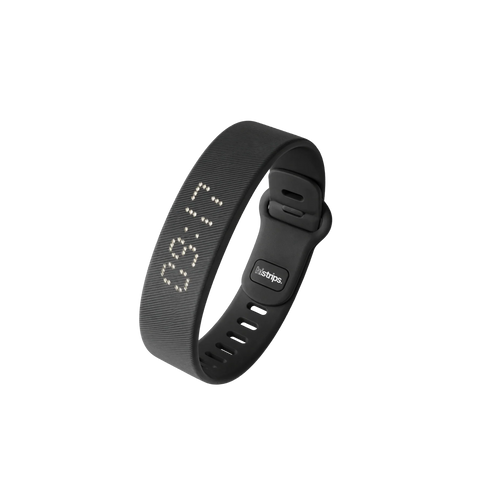
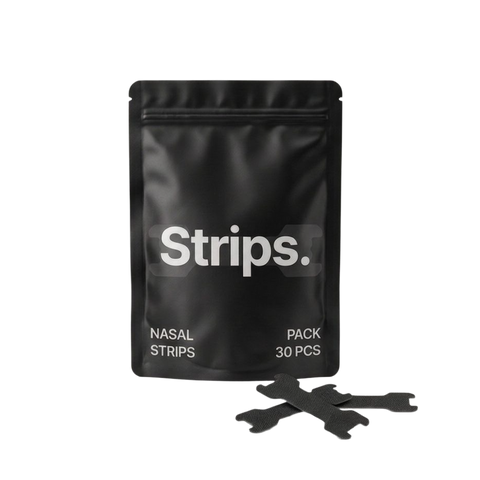
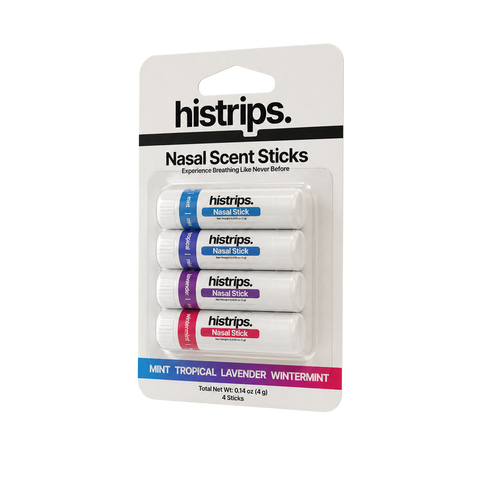
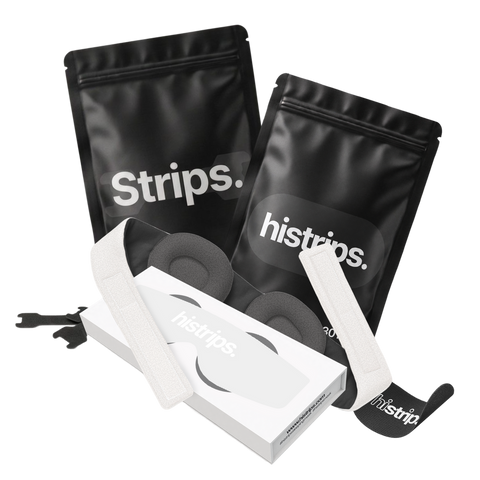
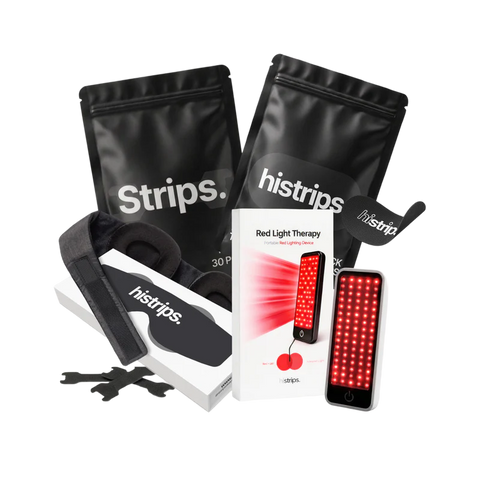
HiStrips makes consistency easier because the products work together as a routine, not as random add-ons. The Recovery Stack helps athletes simplify the transition into sleep with tools for darkness, quiet, breathing support, and a smoother wake-up. The Elite Performer Kit is a practical option for athletes who want a complete nightly setup instead of piecing the routine together one product at a time.
That matters because the best schedule is the one you can actually keep.
Sample Athlete Sleep Routine
- **9:30 PM:** lights down, screens minimized
- **9:40 PM:** room cooled and prepared
- **9:45 PM:** sleep mask and earplugs ready
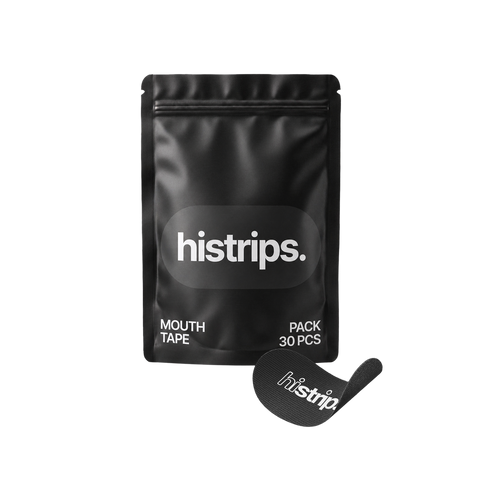
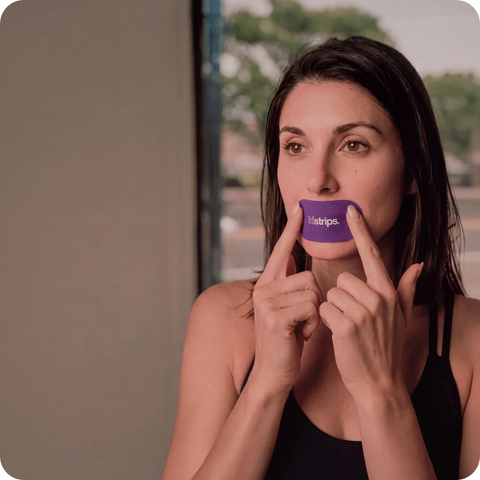
- **9:50 PM:** mouth tape applied if part of your routine
- **10:00 PM:** in bed
- **6:30 AM:** vibration alarm wake-up
This kind of structure reduces decision fatigue and helps recovery become more repeatable.
The Bottom Line
A consistent sleep schedule does not look flashy, but it is one of the highest-return recovery habits athletes can build. When bedtime and wake time are more stable, sleep tends to become more predictable—and so does performance readiness.
CTA
Want a sleep routine you can repeat without overthinking it? Build your nightly system around the HiStrips Recovery Stack or Elite Performer Kit and make consistency easier to maintain.


Leave a comment
This site is protected by hCaptcha and the hCaptcha Privacy Policy and Terms of Service apply.