


Travel Sleep Tips for Athletes Who Need to Recover and Perform
Learn practical travel sleep strategies for athletes, including light control, noise reduction, schedule consistency, and recovery tools that make rest easier on the road.
Introduction
Home routines are one thing. Travel is where athlete sleep habits usually get tested. Hotel noise, unfamiliar rooms, changing schedules, early check-ins, and pre-competition nerves can all make sleep harder to protect. But competition schedules do not pause just because the sleep setup is less than ideal. That is why many experienced athletes rely on portable routines rather than ideal conditions. When the environment changes, the routine has to travel with you. For athletes who want a more repeatable recovery routine, travel sleep tips for athletes is one of the highest-leverage habits to improve without adding complexity.
Why Travel Sleep Deserves More Attention
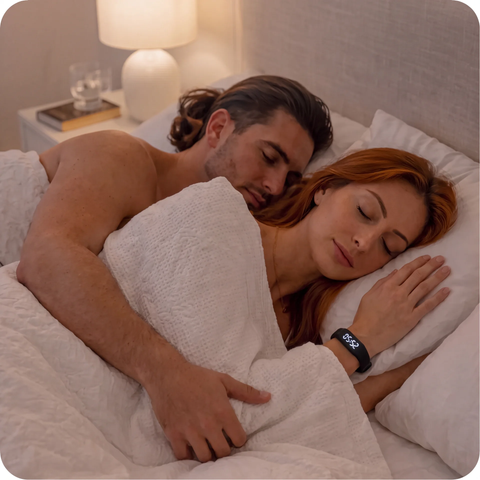
Sleep disruption on the road can affect how recovered and prepared you feel the next day. Even when total sleep time looks acceptable on paper, fragmented or low-quality sleep may leave athletes feeling flat.
Travel routines should focus on controllable factors:
- keeping sleep timing as stable as possible
- reducing light exposure in the room
- limiting noise disruptions
- using a wake-up method that feels less abrupt
- keeping bedtime habits familiar
A Travel Sleep Strategy Athletes Can Actually Use
1. Anchor your wake time when possible
Even on the road, consistency helps. Try to avoid swinging your schedule more than necessary.
2. Pack for darkness
Hotel curtains are not always enough. A sleep mask gives you more control and works the same way every night.
3. Have a plan for noise
Hallway traffic, elevators, air conditioning, and unfamiliar environments can all interrupt sleep. Earplugs are one of the simplest travel fixes available.
4. Keep your breathing routine familiar
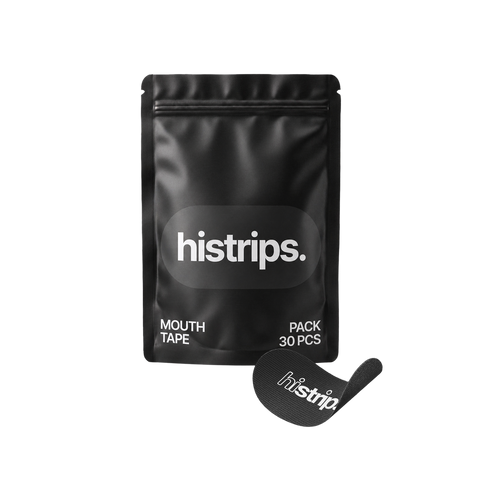
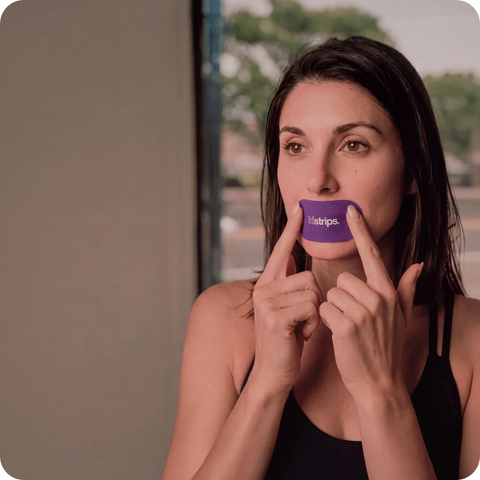
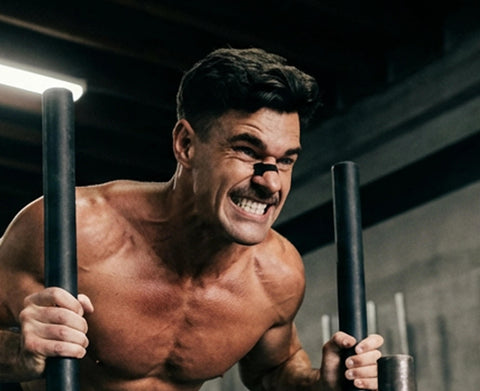
If mouth tape is already part of your established nighttime routine, travel is usually not the time to change it.
5. Avoid a harsh wake-up
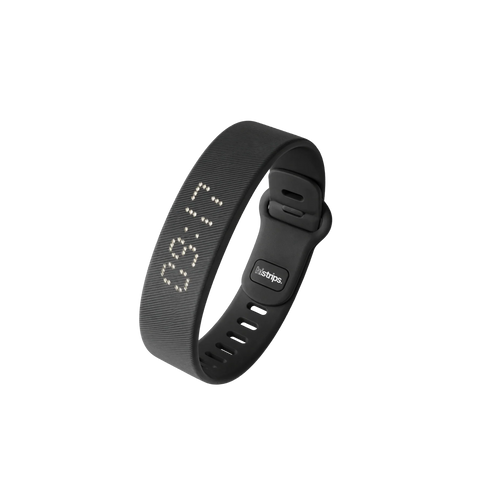
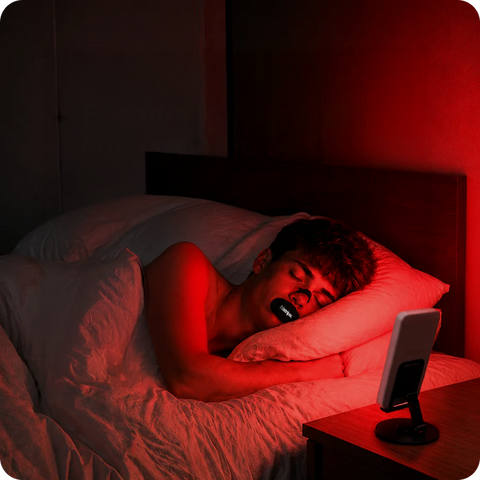
A loud phone alarm can feel jarring, especially before an early event. A vibration alarm can create a smoother transition into the day.
Why Elite Athletes Build Portable Systems
The best travel routine is not the most advanced. It is the one that removes uncertainty.
When your sleep tools are packed and your sequence is familiar, you spend less mental energy improvising in a new room. That matters before hard training blocks, race weekends, and back-to-back competition days.
Where HiStrips Fits In
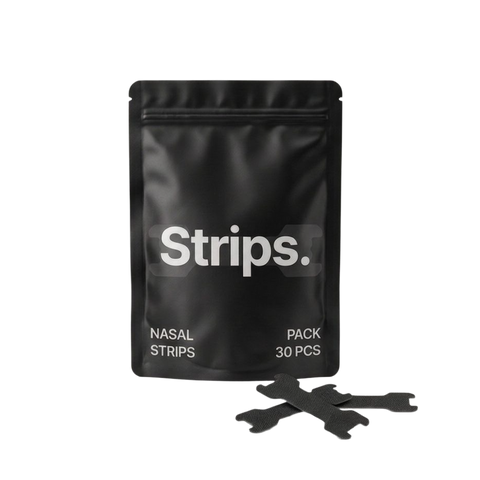
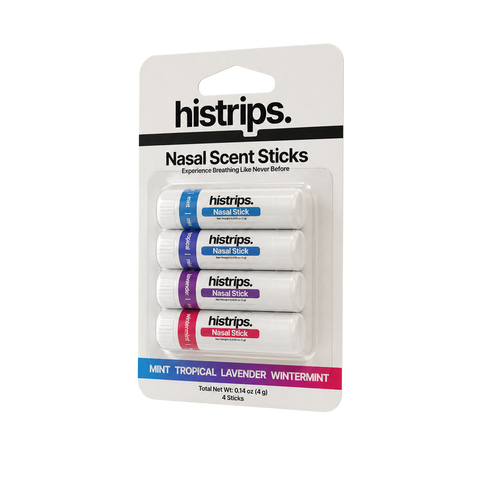
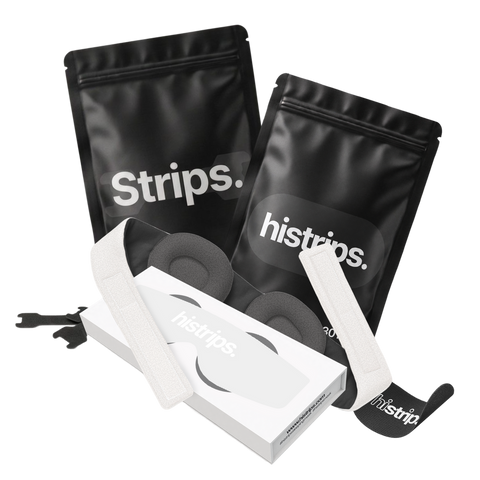
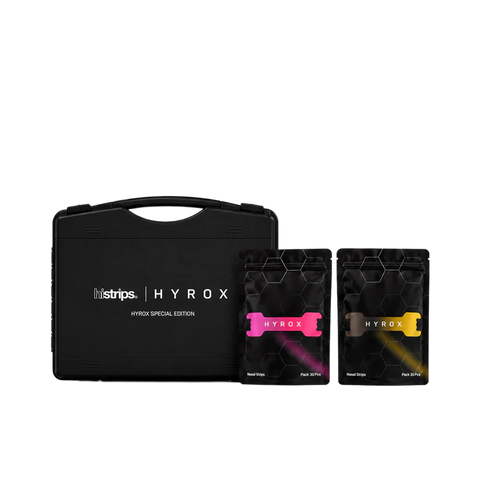
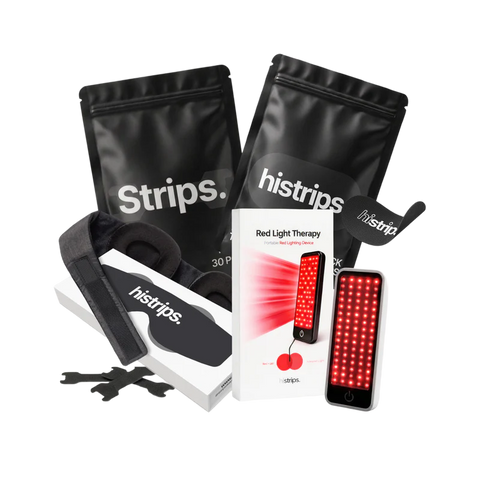
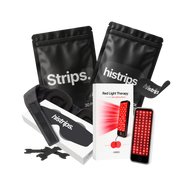
HiStrips’ Recovery Stack works well for travel because it covers the essentials athletes usually miss first on the road: mouth tape, sleep mask, earplugs, and a vibration alarm. The Elite Performer Kit is especially useful for athletes who want a premium, portable setup that feels the same at home, at a hotel, or during competition travel.
For athletes, portability is part of product value. If the routine does not travel, it often does not stick.
Travel Night Checklist
Before bed, ask:
- Is the room dark enough?
- Have I reduced noise as much as possible?
- Is my alarm set in a low-disruption way?
- Am I following the same basic routine I use at home?
If the answer is yes, your recovery is in a better position.
The Bottom Line
Athletes cannot control every travel variable, but they can control the routine they bring with them. Protecting sleep on the road is one of the simplest ways to give next-day performance a better foundation.
CTA
If you want your sleep routine to work beyond your home bedroom, explore the HiStrips Recovery Stack or Elite Performer Kit for a portable, athlete-ready recovery setup.


Leave a comment
This site is protected by hCaptcha and the hCaptcha Privacy Policy and Terms of Service apply.