


5 Ways Red Light Therapy Can Boost Athletic Recovery
Introduction
Athletic recovery is no longer an afterthought. It is part of performance.
Whether you are a competitive runner, strength athlete, cyclist, team-sport player, or hybrid athlete, your results depend on how well you can recover between hard efforts. That is why more athletes are exploring red light therapy.
Here are five practical ways it may support recovery.
1. It May Help Reduce Perceived Muscle Soreness
One of the most common reasons athletes try red light therapy is simple: hard sessions create soreness, and too much soreness can reduce the quality of the next workout.
While responses vary, some research and user experience suggest red light therapy may help athletes feel less beat up after demanding sessions. For athletes training multiple times per week, even a modest reduction in perceived soreness can make a difference.
2. It Supports a Better Recovery Routine
A good recovery routine is about repeatability. Red light therapy is easy to add because it does not require extra physical effort.
That matters when athletes are already tired. If a recovery tool is too complicated, it gets skipped. A simple panel-based setup gives athletes a low-friction way to be more consistent with recovery habits.
3. It May Help Athletes Maintain Training Quality
Performance gains come from quality sessions stacked over time. If fatigue spills too aggressively from one workout into the next, training quality drops.
Red light therapy may help athletes support their recovery enough to arrive at the next session with better readiness. That does not guarantee better performance, but it can support the conditions that make better performance possible.
4. It Can Be Targeted to High-Stress Areas
Athletes do not always need full-body recovery. Often, they need support where the training load lands hardest.
Common target areas include:
- Quads and hamstrings after sprinting or lifting
- Calves and feet after running volume
- Shoulders and elbows after throwing or upper-body work
- Lower back and hips after loaded movement patterns
That targeted approach makes red light therapy practical for both team-sport and individual athletes.
5. It Complements Other Recovery Pillars
The best reason to use red light therapy is not that it replaces other tools. It is that it can fit cleanly beside them.
Athletes often use it alongside:
- High-protein post-workout meals
- Hydration and electrolyte replenishment
- Breathwork or parasympathetic downregulation
- Mobility and soft-tissue work
- Sleep optimization
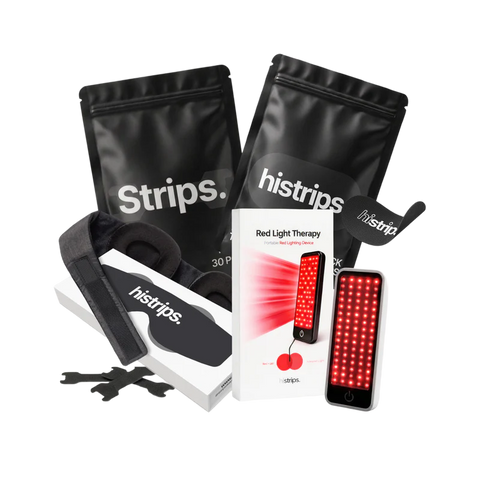
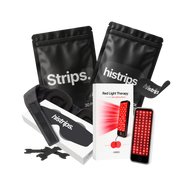
For a brand like HISTRIPS, this integration is especially natural. The HiStrips red and infrared recovery light panel suits athletes who are already building a broader recovery ecosystem around sleep, breathing, and performance maintenance.
How to Use It Without Overcomplicating Recovery
A practical athlete framework is:
Use it after your highest-stress sessions
This is where recovery demand is usually highest.
Stay consistent for several weeks
Recovery tools often reveal their value through routine use, not one-off sessions.
Keep expectations realistic
Think support, not miracle. Think system, not shortcut.
Final Take
Red light therapy can boost athletic recovery in a useful, grounded way: by supporting soreness management, routine consistency, targeted recovery, and readiness between sessions. For athletes who care about small edges, that is often enough to justify the habit.
CTA
Want a more complete recovery stack? Explore the HiStrips red and infrared recovery light panel and add a performance-focused recovery tool to your weekly training routine.


Leave a comment
This site is protected by hCaptcha and the hCaptcha Privacy Policy and Terms of Service apply.