








Before the chaos.
Before the water explodes.
Before the heart rate spikes and the crowds disappear into noise…
There is silence.
The athlete in this image stands at the edge of that silence—goggles on, swim cap tight, jaw relaxed. Ironman on the cap. Pressure in the air. This is the final moment before the storm breaks.
And in this moment, everything comes down to one thing:
Breath control.
Not strength.
Not speed.
Not willpower.
Breath.
Ironman Isn’t a Race. It’s a Respiratory War.
An Ironman doesn’t just test your muscles. It tests your lungs for:
-
2.4 miles of open-water swimming
-
112 miles of cycling
-
26.2 miles of running
That’s 8–17 hours of continuous oxygen demand.
You’re not just racing other athletes.
You’re racing hypoxia.
You’re racing panic.
You’re racing carbon dioxide buildup.
And every mistake in breathing compounds over time.
You don’t fade at mile 20 of the marathon because your legs suddenly gave up.
You fade because your respiratory system has been losing efficiency for hours.
The Most Dangerous Place for Breathing Errors: The Swim Start
The swim is the most chaotic and dangerous part of an Ironman:
-
Hundreds of bodies
-
Kicks and elbows
-
Cold shock
-
Adrenaline overload
-
Spiking heart rate
This is where panic kills races.
Poor breathing here leads to:
-
Oxygen debt that never fully recovers
-
Elevated heart rate for hours
-
Tight chest and early fatigue
-
Poor bike pacing
-
Broken marathon legs
The athletes who survive this phase best aren’t the fastest swimmers.
They’re the calmest breathers.
Why Nasal Breathing Is the Ultimate Endurance Skill
Elite endurance athletes train breathing like they train power and pacing.
Nasal breathing:
-
Increases nitric oxide → better oxygen uptake
-
Filters and warms air
-
Stabilizes heart rate
-
Reduces panic response
-
Improves CO₂ tolerance
-
Enhances long-term energy efficiency
It’s not just about breathing more.
It’s about breathing better.
And over 10+ hours of racing, efficiency is everything.
The Hidden Problem Nobody Talks About: Nasal Airway Collapse
Here’s the cruel reality:
As intensity rises and fatigue sets in, the soft tissue inside the nose collapses inward. This can reduce airflow by up to 50%—right when endurance athletes need oxygen the most.
The result:
-
You involuntarily switch to mouth breathing
-
Heart rate spikes
-
Anxiety rises
-
Pacing becomes erratic
-
Energy drains faster
You feel “out of breath”…
But the real problem is restricted airflow.
HiStrips: Mechanical Control in a Physiological War
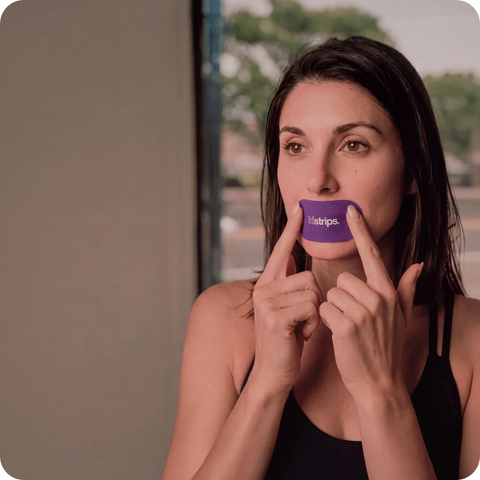
HiStrips don’t rely on chemicals, scents, or gimmicks.
They work mechanically.
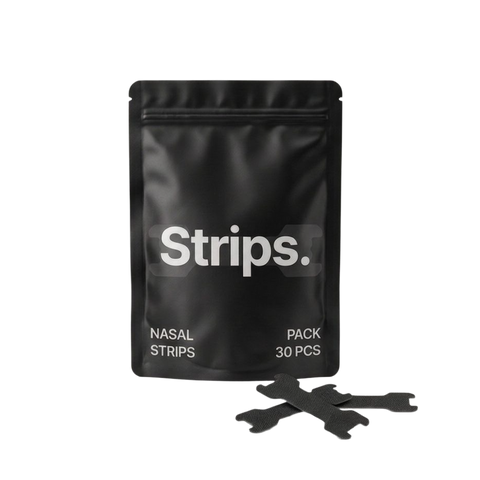
They lift and stabilize the nasal valves so they cannot collapse under stress.
For Ironman athletes, that means:
-
Smoother breathing off the swim
-
Lower heart rate transition onto the bike
-
Greater long-term oxygen efficiency
-
Reduced panic during surges
-
Better pacing discipline
-
Stronger marathon legs
It’s not about comfort.
It’s about respiratory control under extreme fatigue.
Why Endurance Races Are Won by Athletes Who Stay Calm the Longest
Ironman doesn’t reward aggression early.
It rewards athletes who delay chaos.
The ones who:
-
Keep their breathing quiet
-
Control their heart rate
-
Stay relaxed in the swim
-
Stay disciplined on the bike
-
Stay composed in the final 10K
Breathing determines emotional control.
Emotional control determines pacing.
Pacing determines the podium.
The Difference Between Surviving and Competing
Most Ironman athletes:
-
Survive the swim
-
Survive the bike
-
Survive the run
Elite Ironman athletes:
-
Control the swim
-
Dominate the bike
-
Execute the run
The difference isn’t suffering tolerance.
It’s oxygen management.
HiStrips Are Built for the Longest Suffering on Earth
Ironman conditions are brutal:
-
Saltwater
-
Sweat
-
Sun
-
10+ hours of motion
-
Constant facial tension
HiStrips are engineered to hold under:
-
Extreme moisture
-
Continuous movement
-
High heart rate
-
Long-duration pressure
They stay on when cheap strips fail.
They stay structured when fatigue hits.
They keep airflow stable when the race tries to break you.
Why Smart Endurance Athletes Obsess Over Breathing
Elite endurance competitors track:
-
Watts
-
VO₂ max
-
Lactate threshold
-
HRV
-
Sleep cycles
-
Nutrition timing
But the smartest ones also obsess over:
airflow mechanics.
Because they know:
If oxygen delivery degrades, every other metric collapses with it.
Final Word: The Race Is Decided Long Before the Finish Line
The athlete in this image hasn’t moved yet.
But the race has already begun inside his lungs.
Calm breathing.
Open airway.
Controlled nervous system.
Ironman doesn’t destroy the strongest athletes.
It destroys the ones who lose their breath too early.
HiStrips exist to make sure that never happens.
Because in the longest race on earth…
The athlete who controls the breath, controls the race.




Leave a comment
This site is protected by hCaptcha and the hCaptcha Privacy Policy and Terms of Service apply.