






Nasal strips are one of the safest airway products on the market. They contain no drugs, no chemicals that enter the bloodstream, and no invasive components. But like any product worn on the skin, there are a handful of considerations worth understanding. Here is the complete picture.
How Nasal Strips Work — Mechanically, Not Medically
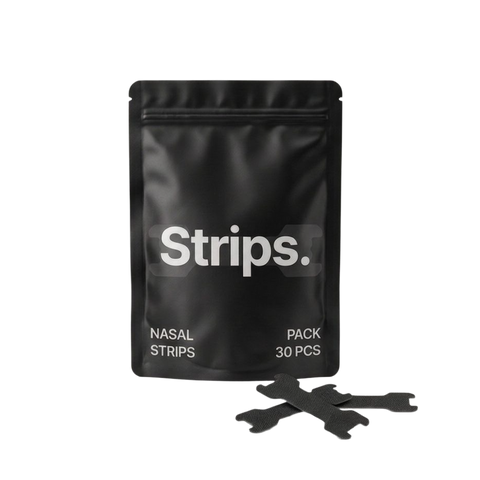
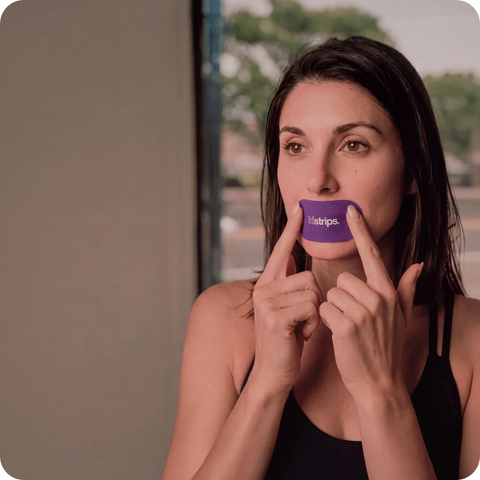
The key to understanding nasal strip safety is understanding what they actually do. Nasal strips are adhesive bands containing a flexible spring mechanism. When applied to the nose, they gently pull the nasal passages open from the outside — purely mechanical action, no pharmacological effect.
There are no active pharmaceutical ingredients. Nothing enters your bloodstream. There is no risk of medication interactions, no rebound effect when you stop using them, and no dependency. This is fundamentally different from decongestant sprays or antihistamines, which carry real side effect profiles.
Potential Side Effects of Nasal Strips
For the vast majority of users, nasal strips cause no side effects. However, a small number of people may experience:
Skin Irritation
The most common complaint is mild skin irritation or redness at the adhesive contact area, particularly in people with sensitive skin or after extended wear periods. This is typically caused by:
- Removing the strip too quickly without softening the adhesive first with warm water
- Using a strip with a latex-containing or harsh adhesive
- Wearing the strip for longer than the recommended duration
HiStrips use a latex-free, dermatologically tested adhesive formulated specifically for sensitive skin. The skin-safe formula significantly reduces irritation risk compared to standard products.
Adhesive Allergy
A very small percentage of users may have a contact allergy to specific adhesive components. If you experience persistent redness, swelling, or itching beyond normal skin response, discontinue use and consult a dermatologist.
Strip Dislodgement
Not a health risk, but worth noting: if the strip is applied to oily or sweaty skin, it may peel off mid-use. This is avoided by proper skin preparation before application.
Who Should Avoid Nasal Strips
Nasal strips are appropriate for most adults, but the following groups should exercise caution or consult a physician first:
- People with known adhesive or tape allergies — test on a small skin area first
- People with active skin conditions on the nose (eczema, psoriasis, acne) — the adhesive may aggravate inflamed skin
- People who have recently had nasal surgery — check with your surgeon before use
- Very young children — use only products specifically designed and sized for children; adult strips are too large
Are Nasal Strips Safe for Daily Use?
Yes. Because nasal strips are mechanical and drug-free, there is no tolerance build-up, no dependency risk, and no adverse effect from daily use. Many athletes use HiStrips every day — in training, in competition, and overnight for sleep quality. The skin-safe adhesive supports this frequency of use.
The key for daily users: always remove strips correctly (warm water first) and give skin a brief rest if any redness develops. Switching application position slightly each day can also help distribute pressure across a slightly wider skin area.
Children and Nasal Strips
Children's nasal strips are available and sized for smaller faces. Adult strips should not be used on young children as the size and adhesive coverage may be inappropriate. Always use age-appropriate products and consult a paediatrician if a child has significant nasal obstruction issues.
HiStrips Adhesive Safety
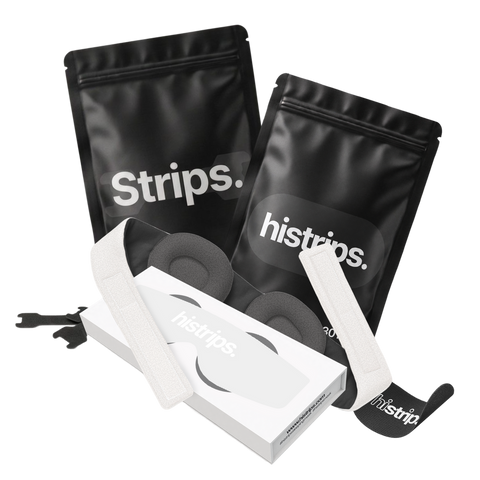
HiStrips are formulated with a skin-safe, latex-free adhesive designed to hold through sweat without causing irritation. The spring mechanism is calibrated to provide effective lift without excessive pulling force on the skin. Every batch is tested for adhesive quality and skin compatibility to meet the standards expected by athletes who wear them during intense activity.
Frequently Asked Questions
Can nasal strips damage the nose or nasal passages?
No. Nasal strips act on the outside of the nose only and do not insert into the nasal passage. The spring mechanism applies gentle outward lift — there is no compression, puncture, or internal contact involved. They cannot damage nasal cartilage or tissue with normal use.
Is it safe to sleep with nasal strips on?
Yes, completely. Nasal strips are designed for overnight use. Sleep with HiStrips is safe, effective, and recommended for those who want to improve nasal breathing during rest. They will not fall into the nasal passage or cause any obstruction if they detach during sleep.
Can I use nasal strips if I'm pregnant?
Nasal strips are drug-free and non-invasive, making them generally considered safe during pregnancy. Many pregnant women use them to manage pregnancy-related nasal congestion. However, as with any product during pregnancy, it is advisable to check with your healthcare provider.
The Safe Performance Upgrade
In a world of supplements, stimulants, and interventions, nasal strips stand out for being effective, drug-free, and genuinely safe for almost everyone. HiStrips are designed to be used daily with confidence — whether you're a competitive athlete, a heavy sleeper, or simply someone who wants to breathe better.
Try HiStrips at histrips.com — science-backed, skin-safe, and built for daily performance.


Leave a comment
This site is protected by hCaptcha and the hCaptcha Privacy Policy and Terms of Service apply.