





Can Red Light Therapy Help With Joint and Back Pain?
Joint pain and back pain are the two most common chronic pain presentations globally — and two of the most difficult to treat effectively with any single intervention. Red light therapy has emerged as one of the most evidence-backed non-pharmaceutical options for both. Here is why it works and what to expect.
Why Joints and the Spine Are Vulnerable
Joints and intervertebral discs have relatively poor blood supply compared to muscles, which means they clear inflammation and metabolic waste more slowly. This creates a situation where low-level chronic inflammation persists in joints — contributing to cartilage breakdown, nerve irritation, and the pain-further inflammation cycle that characterises chronic joint pain. Improving blood flow and reducing inflammation at the source is the therapeutic target.
Evidence for Joint Pain
A meta-analysis in the Lancet reviewed 36 randomised controlled trials on red light therapy for knee osteoarthritis — finding statistically significant reductions in pain and improvements in functional mobility compared to placebo. The American College of Rheumatology conditionally recommends red light therapy for knee OA. For lower back pain, a systematic review in the Archives of Physical Medicine and Rehabilitation found red light therapy produced meaningful pain reduction in chronic nonspecific low back pain.
How HiStrips Panels Address Joint Pain
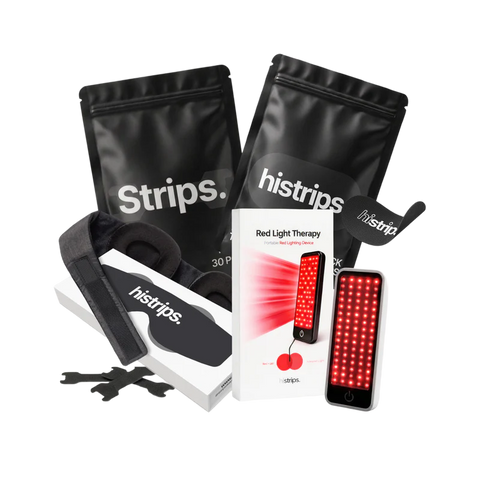
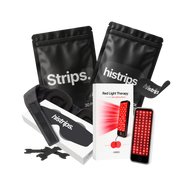
HiStrips Red Light Panels use 850nm near-infrared wavelengths specifically for their ability to penetrate joint tissues. Direct application to knees, hips, shoulders, and the lumbar spine delivers therapeutic doses to the tissues that are hardest to treat with any non-pharmaceutical approach. Daily sessions of 10-15 minutes per area are the recommended protocol for chronic joint pain.


Leave a comment
This site is protected by hCaptcha and the hCaptcha Privacy Policy and Terms of Service apply.