
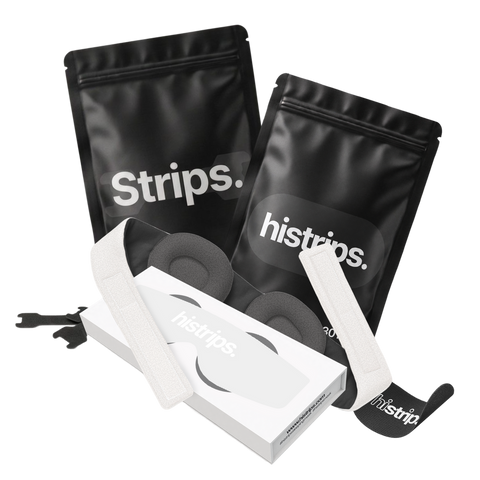
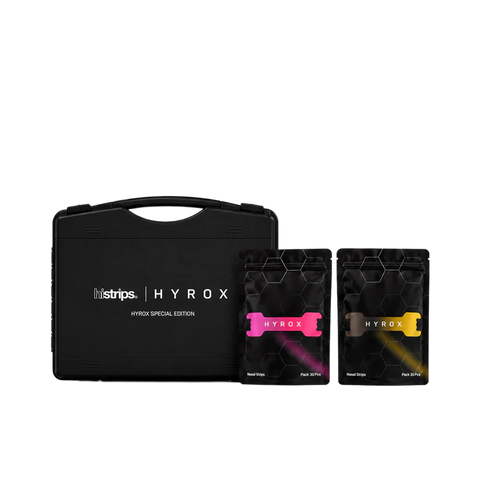
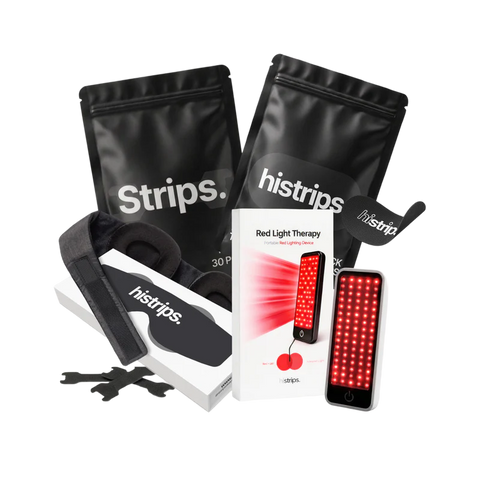


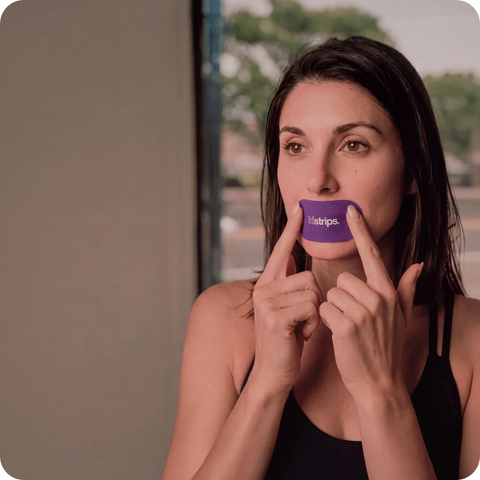
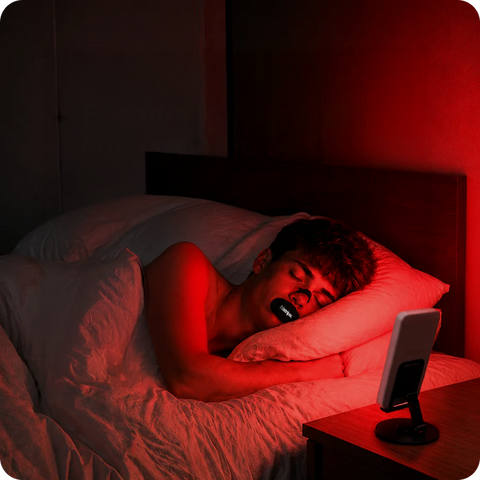



Direct answer: Mouth taping for sleep is the practice of placing a skin-safe strip over the lips before bed to encourage nasal breathing overnight. For some adults, it may help reduce dry mouth and support more comfortable breathing during sleep. It is not a treatment for sleep apnea and should only be considered when nasal breathing is already clear and comfortable.
Key Takeaways
- Mouth taping is intended to support nasal breathing, not to treat medical sleep disorders.
- Its most realistic benefits are less dry mouth, less overnight mouth breathing, and better sleep comfort for some people.
- It is not appropriate for everyone. Anyone with blocked nasal breathing, suspected sleep apnea, or significant nighttime breathing symptoms should avoid it unless advised by a qualified clinician.
- Product quality matters. A good option should feel gentle on the skin, stay in place overnight, and remove cleanly in the morning.
- The most trustworthy approach is practical and careful, not exaggerated.
What Is Mouth Taping for Sleep?
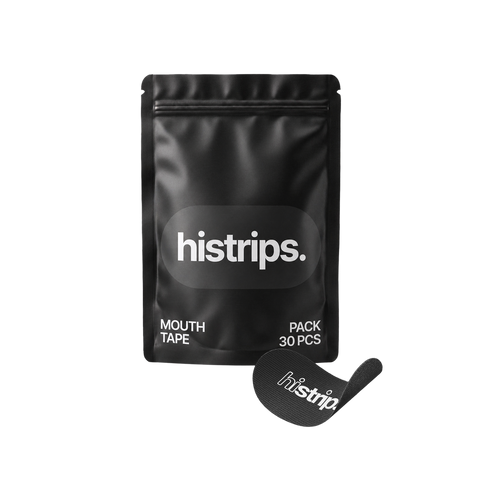
Mouth taping for sleep means placing a purpose-made adhesive strip across the lips before bed to encourage the mouth to stay closed and make nasal breathing the default.
The practice has become popular in sleep, recovery, and wellness circles because nasal breathing is generally considered the more efficient and comfortable breathing pattern during rest. The nose helps filter, warm, and humidify the air you breathe, which is one reason some people notice less dryness when they stop sleeping with their mouth open.
That said, mouth taping should be viewed as a limited sleep-support tool, not a cure-all. It may help the right adult in the right situation, but it is not a substitute for medical assessment when symptoms suggest an underlying breathing disorder.
Why People Consider Mouth Taping
Most interest in mouth taping comes from a few common complaints:
- waking with a dry mouth
- throat dryness in the morning
- habitual open-mouth sleeping
- noisy breathing linked to mouth breathing
- the sense that sleep feels less comfortable than it should
In these situations, the goal is not to force an unnatural breathing pattern. The goal is simply to support the breathing pattern the body is usually designed to prefer during sleep: breathing through the nose when nasal airflow is clear.
Potential Benefits of Mouth Taping for Sleep
The internet often overstates what mouth taping can do. A more useful standard is to focus on realistic outcomes.
Benefits that some users report
- less dry mouth on waking
- less throat dryness overnight
- better support for nasal breathing habits
- quieter breathing in select cases
- a more comfortable sleep experience when mouth breathing was the main issue
These are practical benefits, not miracle claims. Results vary from person to person, and they depend heavily on whether nasal breathing is easy in the first place.
What Mouth Taping Does Not Do
A careful article also needs to be clear about limitations.
Mouth taping does not automatically:
- create deep sleep
- fix chronic snoring on its own
- treat obstructive sleep apnea
- replace evaluation for repeated nighttime breathing problems
- solve nasal congestion
If someone regularly wakes gasping, choking, or exhausted, the right next step is a proper medical evaluation rather than a stronger adhesive strip.
Is Mouth Taping Safe?
Direct answer: Mouth taping can be safe for some healthy adults when nasal breathing is fully comfortable and the product is designed for facial skin. It is not suitable for everyone, and it should be avoided when breathing through the nose is difficult or when a more serious sleep-related breathing issue may be present.
The most important safety principle is simple: mouth taping only makes sense when the nose can already do the work comfortably.
A reasonable candidate may be someone who:
- is an adult
- can breathe freely through the nose before bed
- mainly wants help with mild mouth breathing or dry mouth
- is using a skin-safe product designed for this purpose
- can remove it easily if needed
It should be avoided, or only used after medical guidance, if someone:
- suspects obstructive sleep apnea
- wakes with choking, gasping, or repeated breathing pauses
- has significant nighttime congestion
- cannot breathe comfortably through the nose
- has severe claustrophobia, panic, or anxiety around restricted breathing
- has broken skin, active irritation, or known adhesive sensitivity around the lips
- has used alcohol or sedatives in a way that may make breathing less predictable
Mouth Taping and Sleep Apnea
This is one of the most common questions, and it requires a precise answer.
Mouth taping is not a treatment for sleep apnea. It should not be presented as a substitute for sleep testing, clinical diagnosis, CPAP, oral appliances, or any other physician-directed treatment.
Some people come across mouth taping while looking for ways to improve nighttime breathing. That is understandable. But when the underlying issue may be obstructive sleep apnea, the priority should always be a proper assessment of the airway and sleep quality, not a home workaround.
Can Mouth Taping Cause Sleep Apnea?
No. Mouth taping does not cause obstructive sleep apnea in the medical sense.
What it can do is create a poor experience for someone who already has unstable breathing, poor nasal airflow, or an untreated airway issue. In those cases, closing the lips without addressing the underlying cause can feel uncomfortable or unsafe.
That is why the right question is not simply whether mouth tape works. The better question is whether the person using it is an appropriate candidate.
How to Use Mouth Tape More Safely
Direct answer: To use mouth tape more safely, make sure nasal breathing is fully clear, choose a product intended for facial skin, apply it to clean dry skin, and test comfort while awake before sleeping with it.
A careful step-by-step approach
- Check nasal airflow first. If breathing through the nose feels blocked or limited, do not use it.
- Start with clean, dry skin. This helps adhesion and reduces unnecessary irritation.
- Choose a purpose-made format. Comfort matters as much as hold.
- Apply gently. The product should encourage a seal, not feel forceful.
- Test it before sleep. Wear it for a short time while awake to confirm that breathing still feels easy and calm.
- Remove it slowly in the morning. Gentle removal helps protect the skin barrier.
Common mistakes to avoid
- using it while congested
- choosing overly aggressive adhesive
- using generic tape not intended for the face
- ignoring repeated skin irritation
- using it as a substitute for medical advice when symptoms suggest a larger issue
What to Look For in a Better Mouth Tape Product
A good mouth tape product should feel considered, not improvised. It is not just about stickiness.
The main qualities that matter
- Gentle adhesive: enough hold for overnight use without punishing the skin
- Reliable seal: stays in place consistently rather than lifting early
- Skin-friendly materials: important for repeated use around a delicate area
- Comfortable shape: should feel unobtrusive rather than restrictive
- Clean removal: low residue and less irritation the next morning
- Clear instructions: a sign of thoughtful product design and responsible positioning
The best products balance hold with comfort. Stronger is not always better if the result is irritation, residue, or reluctance to use it again.
Different Types of Mouth Tape
There is no single format that works for everyone.
Common options include:
- Vertical strips: often feel less intimidating for first-time users
- Full-lip strips: may offer a more secure seal but can feel more noticeable
- Vented designs: sometimes chosen by cautious beginners who want a less closed-in feel
- Sensitive-skin options: useful for users who react easily to adhesive
A format that looks ideal on paper may still be the wrong fit if it feels uncomfortable after a few minutes. Comfort remains one of the best predictors of whether someone will use a product consistently.
How to Choose the Right Option
When comparing products, it helps to focus on a short decision framework:
Prioritise these three things
- Breathing comfort — it should feel calm and easy, never restrictive
- Skin compatibility — the adhesive should suit repeated use on delicate skin
- Overnight reliability — the seal should last without becoming harsh to remove
If you have sensitive skin, choose the gentlest reliable adhesive you can find. If you move a lot during sleep, flexible material and secure edge hold matter more. If you are new to mouth taping, start with the least intimidating format that still gives a consistent result.
Mouth Tape for Sensitive Skin
The skin around the lips is delicate, which is why sensitive-skin performance matters more here than in many other categories.
If irritation is a concern, look for:
- gentler adhesive systems
- soft, breathable materials
- easy morning removal
- clear first-use guidance
- a design intended for repeated facial use
No product is right for every person, but thoughtful material choice can make a substantial difference.
Where People Buy Mouth Tape
People commonly buy mouth tape from:
- brand websites
- online marketplaces
- wellness retailers
- some pharmacies
- specialist sleep and recovery stores
Availability alone should not be mistaken for quality. A product can be easy to find and still be a poor fit for comfort, adhesion, or skin tolerance.
Who Should Not Use Mouth Tape
To make the safety guidance unambiguous, mouth taping is generally not appropriate for:
- children unless specifically advised by a clinician
- adults with blocked or unreliable nasal breathing
- anyone with suspected or untreated sleep apnea
- people with strong adhesive reactions or broken skin near the lips
- anyone who feels panic, air hunger, or distress when the lips are sealed
When uncertainty exists, caution should win.
Final Verdict
For the right adult, mouth taping can be a simple way to reduce dry mouth and support nasal breathing during sleep. Its value is usually practical rather than dramatic.
The most credible view is also the most restrained one: mouth tape may be useful for some people, but only when nasal breathing is already comfortable and there is no sign of a more serious sleep-related breathing issue.
A better product should feel gentle, dependable, and easy to live with. A better article should say the same thing clearly: careful use matters more than hype.
FAQ
What is mouth taping for sleep?
Mouth taping for sleep is the practice of placing a skin-safe strip over the lips before bed to encourage nasal breathing overnight.
Can mouth taping improve sleep?
It may improve sleep comfort for some people, especially if open-mouth sleeping is leading to dry mouth or throat dryness.
Is mouth taping safe for everyone?
No. It is not suitable for everyone and should be avoided when nasal breathing is blocked or when sleep apnea or another breathing issue may be present.
Does mouth taping treat sleep apnea?
No. Mouth taping is not a treatment for sleep apnea and should not replace medical evaluation or treatment.
What should a good mouth tape product do?
It should provide a gentle but reliable seal, feel comfortable on the skin, and remove cleanly without excessive irritation.


Leave a comment
This site is protected by hCaptcha and the hCaptcha Privacy Policy and Terms of Service apply.