





Sleep for Athletes: The Evidence-Based Recovery Habit That Improves Next-Day Performance
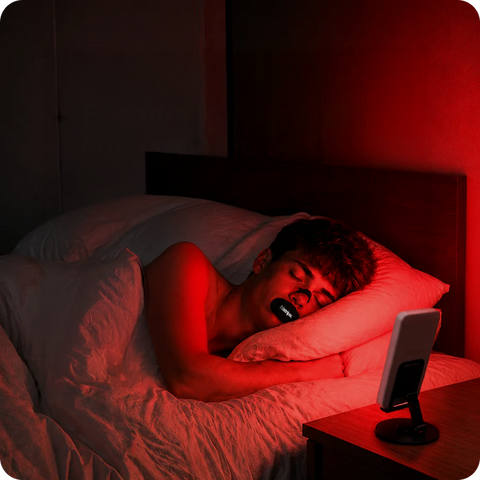
For most athletes, better recovery starts with consistent sleep, not with a complicated stack of hacks. A repeatable sleep window, a calmer bedroom, and easy nasal airflow can improve the odds of getting the kind of sleep that supports next-day performance.
Reviewed: 2026-04-28 UTC. This article is educational and is not a diagnosis or treatment recommendation.
Why sleep matters so much for athletes
Sleep is where training stress gets processed. The practical upside is not just “feeling rested.” It also affects attention, decision-making, mood, and how manageable hard training feels the next day.
- Consistent sleep timing helps keep the body clock stable.
- Adequate sleep supports skill learning and reaction-dependent sports.
- Better sleep routines make travel weeks and back-to-back sessions easier to manage.
The recovery basics that move the needle
- Keep bed and wake times as consistent as your schedule allows.
- Create a cool, dark, quiet sleep environment.
- Reduce avoidable breathing friction at night, especially if a blocked-feeling nose pushes you toward mouth breathing.
- Treat caffeine timing, late alcohol, and heavy pre-bed meals as performance variables, not afterthoughts.
Where nasal breathing fits
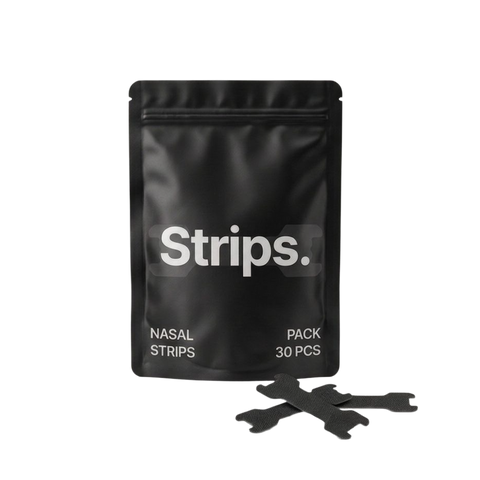
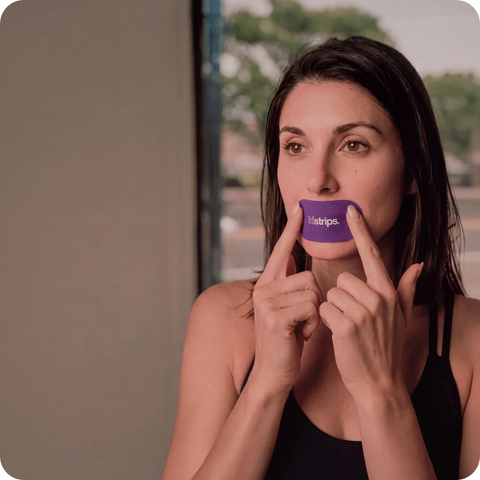
Nasal breathing is useful when it is comfortable. The nose warms, filters, and humidifies air. If the bottleneck is mild nasal narrowing at the front of the nose, a nasal strip may be a simple first step. If the problem is heavy snoring, suspected sleep apnea, or chronic obstruction, the right next step is medical evaluation rather than more self-experimentation.
| Scenario | Priority |
|---|---|
| Inconsistent sleep schedule | Fix timing first |
| Hot, noisy room | Improve environment first |
| Mild blocked-feeling nose | Consider a nasal strip |
| Loud snoring with daytime sleepiness | Medical review |
FAQ
How much sleep do athletes need?
Needs vary, but most athletes benefit from treating sleep quantity and consistency as core parts of training rather than passive downtime.
Is nasal breathing a performance hack?
It is better thought of as a comfort and routine factor. It helps most when easier nasal airflow makes it simpler to stick to good sleep habits.
When should an athlete get professional help?
If snoring is loud and persistent, breathing pauses are suspected, or nasal blockage is severe or chronic, professional review is appropriate.


Leave a comment
This site is protected by hCaptcha and the hCaptcha Privacy Policy and Terms of Service apply.