


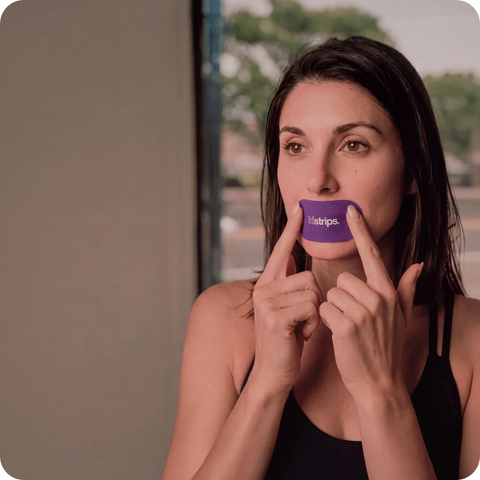




Red, irritated skin after removing a nasal strip. A burning sensation during use. Rashes that last for days. If you've experienced any of these, you know that not all nasal strips are kind to sensitive skin. Here's what causes skin reactions, what medical-grade construction actually means, and how to find the best nasal strips for sensitive skin.
What Causes Skin Reactions to Nasal Strips
The primary culprit behind skin reactions to nasal strips is the adhesive. The vast majority of nasal strips on the market use adhesive formulations that contain potentially irritating chemicals, including:
- Natural rubber latex: One of the most common skin allergens. Latex-based adhesives can cause contact dermatitis in sensitive individuals, ranging from mild redness to severe blistering.
- Acrylate monomers: Found in some acrylic adhesives, these can cause skin sensitization with repeated exposure. Some users develop allergic responses over time with increasing severity.
- Formaldehyde releasers: Used as preservatives in some adhesive formulations, these are known irritants and sensitizers.
- Cheap adhesive polymers: Low-quality adhesive materials may contain impurities or inconsistent formulations that increase irritation risk.
Beyond the adhesive, the backing material and any added fragrances or coatings can also trigger reactions in sensitive individuals.
What Medical-Grade Construction Actually Means
Medical-grade refers to materials that meet pharmacopeia standards for purity, biocompatibility, and safety. In the context of nasal strips, medical-grade construction means:
- Hypoallergenic adhesive: Tested for skin sensitization and certified to meet biocompatibility standards. Free from latex, formaldehyde releasers, and known irritants.
- Purity standards: The adhesive is manufactured to consistent specifications with impurities minimized and controlled.
- Documented safety testing: The product has been tested for skin compatibility through recognized testing protocols.
When a brand says "medical-grade," they should be able to substantiate that claim with actual testing documentation. It's not just a marketing word — it's a specification.
Features to Look for in Hypoallergenic Nasal Strips
For sensitive skin athletes, look for: latex-free formulations, explicitly hypoallergenic or medical-grade labeling, breathable backing materials that allow airflow and reduce moisture buildup under the strip, and rounded or contoured edges that reduce friction points on the skin.
HiStrips: Medical-Grade Materials and Skin Safety
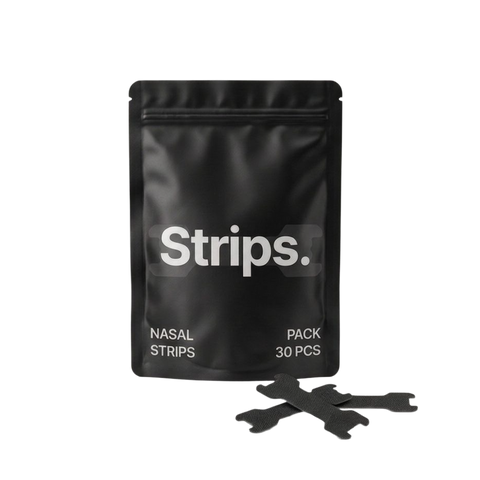
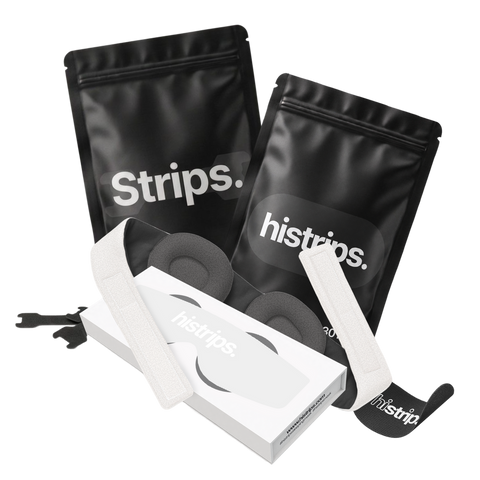
HiStrips are constructed with medical-grade, hypoallergenic materials specifically to address the needs of athletes with sensitive skin. Their adhesive is latex-free, free from formaldehyde releasers, and manufactured to medical-grade purity standards. The result is a strip that provides strong performance without the skin reactions that plague cheaper alternatives.
For athletes who have struggled with irritation from other products, HiStrips represent a genuinely different experience — the same strong performance, without the uncomfortable aftermath.


Leave a comment
This site is protected by hCaptcha and the hCaptcha Privacy Policy and Terms of Service apply.