




Can Breathing Exercises Help With Mouth Taping?
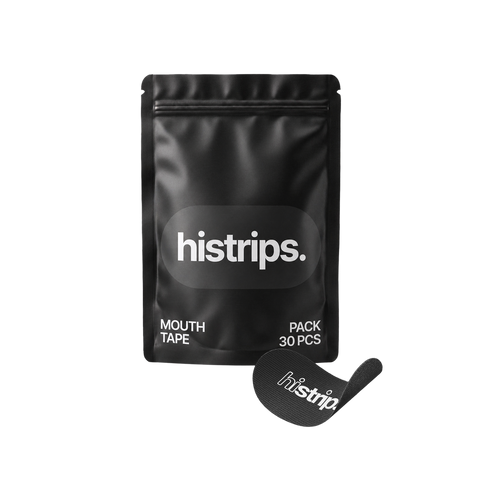
Breathing exercises can help some people become more comfortable with nasal breathing, but they do not remove the safety limits around mouth taping. If the nose is blocked or breathing feels uncertain, the practical first step is to improve nasal airflow—not tape the mouth and hope for the best.
Reviewed: 2026-04-28 UTC. This article is educational and is not a diagnosis or treatment recommendation.
What breathing exercises may help with
- Awareness of whether nasal breathing feels comfortable before bed.
- A calmer transition into sleep routines.
- A clearer signal about whether the real problem is habit, congestion, or anatomy.
What they do not fix
| Issue | Can exercises solve it alone? |
|---|---|
| Blocked-feeling nose | Usually no |
| Suspected sleep apnea | No |
| Skin irritation from tape | No |
| Anxiety about restricted breathing | Usually no |
Lower-friction first step
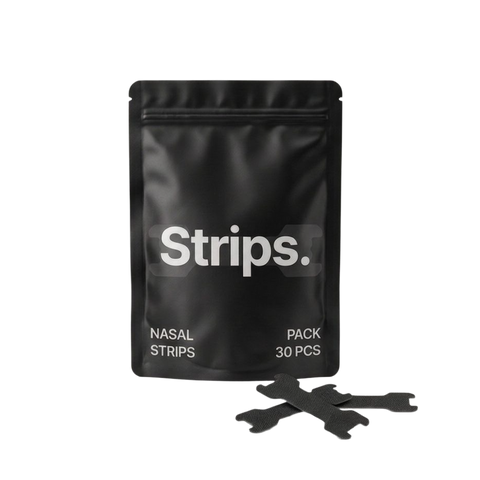
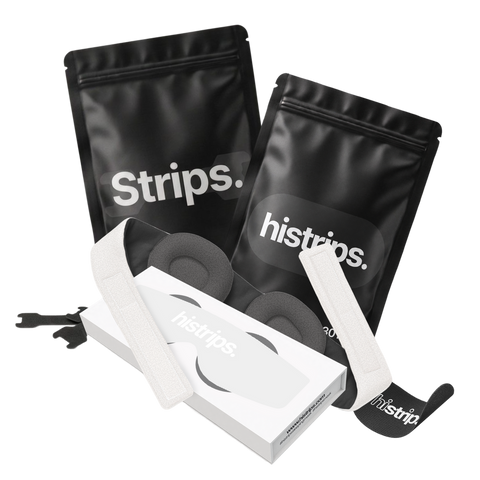
If the user cannot breathe comfortably through the nose before bed, a nasal strip is often the lower-friction place to start because it supports airflow without sealing the mouth. That makes it a more cautious first-line option in many real-world cases.
FAQ
Is mouth taping safe for everyone?
No. It depends on nasal patency, skin tolerance, and the absence of more serious sleep-breathing concerns.
Can breathing exercises replace a nasal strip?
Not when the main issue is mild mechanical narrowing at the front of the nose.
What should come first?
Confirm that comfortable nasal breathing is possible before considering mouth taping.


Leave a comment
This site is protected by hCaptcha and the hCaptcha Privacy Policy and Terms of Service apply.