






What Wavelengths Matter in Red Light Therapy? (660nm vs 850nm)
The wavelength question is the most important technical distinction in red light therapy — and the one most likely to be misrepresented by manufacturers. Understanding what wavelengths actually do changes how you evaluate panels and sets correct expectations for results.
The Wavelength Spectrum for Photobiomodulation
Photobiomodulation uses specific windows of the light spectrum where photons are absorbed by the photoacceptor cytochrome c oxidase in mitochondria. This absorption window spans approximately 600-850nm. Within this window, different wavelengths have different tissue penetration depths and cellular effects — which is why the debate between 660nm (red) and 850nm (near-infrared) matters.
660nm: Red Light
The 630-660nm range is primarily absorbed by surface tissues — skin, subcutaneous fat, and superficial muscle layers. It is most effective for: skin health and collagen stimulation, wound healing, superficial inflammation reduction, and targeted facial rejuvenation. The red wavelengths are also effective for the pineal gland and melatonin regulation.
850nm: Near-Infrared
The 850nm wavelength penetrates deeper — reaching muscle tissue, joints, tendons, and bone. It is most effective for: deep muscle recovery, joint and tendon healing, reducing deep tissue inflammation, and systemic mitochondrial support. The near-infrared is also effective for cognitive function and brain health applications.
Why Both Matter
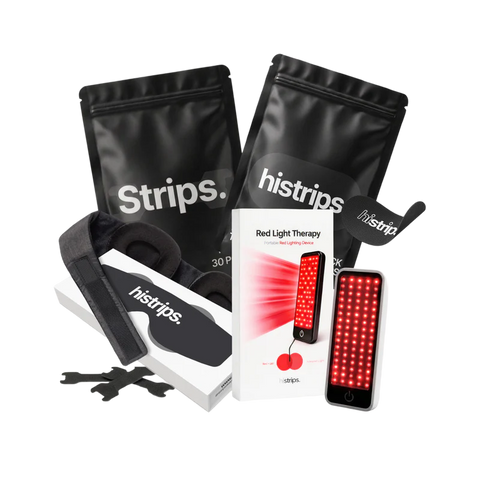
No single wavelength addresses both surface and deep tissue needs optimally. HiStrips Red Light Panels deliver both 660nm AND 850nm simultaneously — giving you the full therapeutic spectrum in a single session. This dual-wavelength approach is supported by the research consensus that the therapeutic window is broad and both red and NIR wavelengths contribute meaningfully to outcomes.


Leave a comment
This site is protected by hCaptcha and the hCaptcha Privacy Policy and Terms of Service apply.