







Red Light Therapy Before or After a Workout: What Athletes Should Know
Introduction
Athletes who are interested in red light therapy usually ask the same question early on: should I use it before a workout or after one?
The honest answer is that both can make sense, depending on the goal. But for most athletes, the strongest use case is recovery support after training.
The Difference Between Pre-Workout and Post-Workout Use
Pre-workout use is usually about preparation. Athletes may experiment with it before training as part of a warm-up or readiness routine.
Post-workout use is usually about recovery. It fits more naturally into the period when the body is dealing with fatigue, tissue stress, and the need to reset before the next session.
When Pre-Workout Use May Make Sense
Some athletes like to use red light therapy before training because it feels like part of a complete activation sequence.
This may be most relevant when:
- You are entering a high-output session
- You want a consistent pre-performance routine
- You respond well to structured preparation habits
That said, pre-workout use should stay simple. It should not replace movement prep, progressive warm-up work, or sport-specific activation.
Why Post-Workout Use Is Often the Better Fit
For most athletes, the post-training window is where red light therapy makes the most practical sense.
That is because the main reason athletes use it is to support recovery. After training, the body is managing accumulated load, muscle fatigue, and tissue stress. If red and near-infrared light help support normal recovery processes, then the post-workout window is the clearest place to apply it.
A Practical Framework for Athletes
Use pre-workout if your goal is routine consistency
If it helps you feel prepared and it fits your schedule, pre-workout use can be part of a repeatable performance ritual.
Use post-workout if your goal is recovery support
This is the better default for most athletes—especially those in hard training phases or competition-heavy weeks.
Test and track
Pay attention to soreness, readiness, energy, and the quality of your next session. Athletes should evaluate recovery tools the same way they evaluate training variables: by observing trends, not guessing.
How to Build It Into a Weekly Plan
A simple weekly structure might be:
- Heavy lower-body day: use after training
- Sprint or conditioning day: use after training
- Upper-body power day: use after training on shoulders, chest, and back
- Competition day: optionally use before for routine, after for recovery
Why a Recovery-Focused Panel Matters
If you plan to use red light therapy consistently, setup matters. Athletes are more likely to keep the habit when the device is fast, practical, and built for repeated use on larger muscle groups.
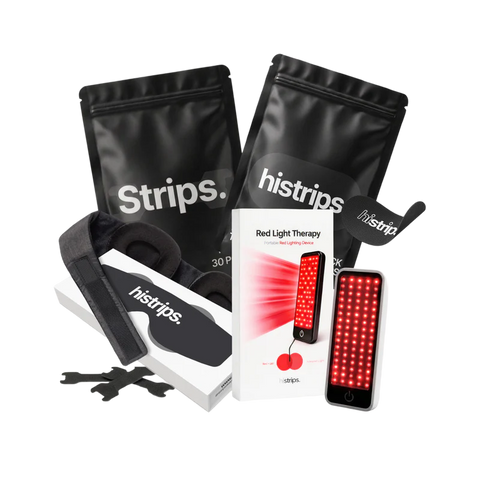
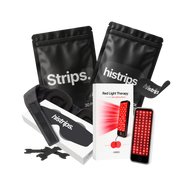
The HiStrips red and infrared recovery light panel is well suited for this type of routine because it gives athletes a structured way to add targeted light exposure without turning recovery into another complicated task.
Final Recommendation
If you are unsure where to begin, start with post-workout use. It is the clearest, most practical entry point for athletes who want to support recovery and reduce the friction between hard sessions.
Pre-workout use can be explored later as part of a more refined performance routine.
CTA
Looking for a practical way to support recovery after hard training? See how the HiStrips red and infrared recovery light panel can fit into your post-workout setup.


Leave a comment
This site is protected by hCaptcha and the hCaptcha Privacy Policy and Terms of Service apply.