
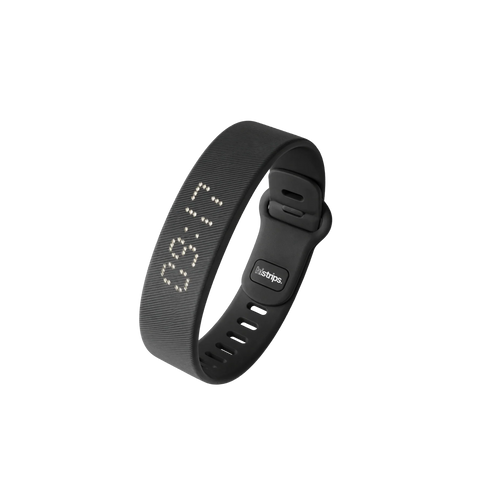



The average smartphone alarm is one of the most physiologically disruptive things in a modern athlete's life. And almost nobody talks about it.
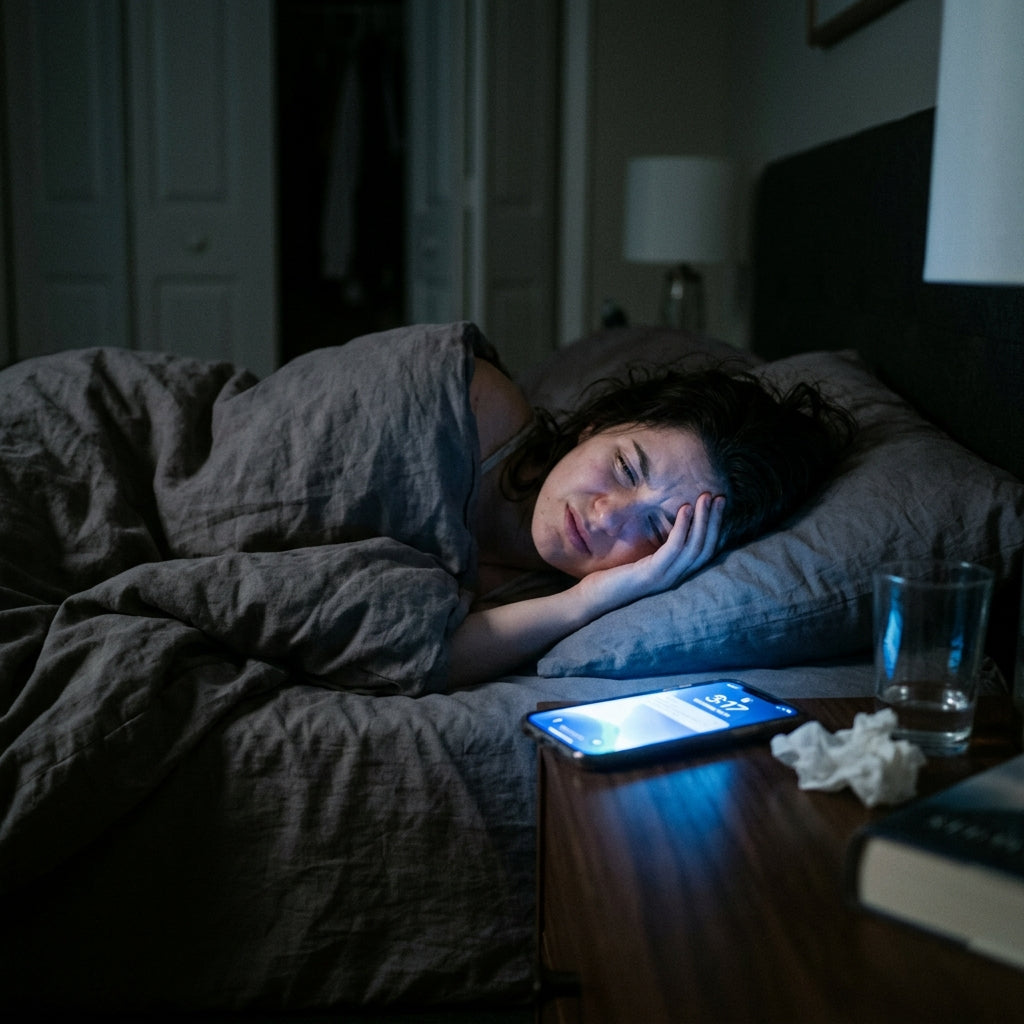
You've optimized your training. You've dialed in your nutrition. You're working on your sleep hygiene. But if you're waking up to a jarring audio alarm — especially if it's a random notification sound, a buzzing phone on a nightstand, or anything that jolts you out of sleep — you're undoing a significant portion of the recovery work you did during the night.
What Happens When a Loud Alarm Wakes You
Sleep is not a uniform state. It cycles through stages roughly every 90 minutes — light sleep (N1/N2), deep slow-wave sleep (N3), and REM. Each stage serves different recovery functions. The worst possible moment to wake up is during N3 (deep sleep) or REM — the two stages where the most important recovery processes are occurring.
When a loud, sudden audio alarm fires during deep sleep, the body's stress response activates immediately:
- Cortisol spikes sharply — the "fight or flight" preparation for an unexpected threat
- Heart rate jumps dramatically in the first 30 seconds
- Adrenaline is released into the bloodstream
- The parasympathetic nervous system (recovery mode) is abruptly overridden by sympathetic activation
This is called "sleep inertia" — but it's not just grogginess. It's a measurable physiological stress event. Research has shown that the cortisol spike from a sudden audio alarm can be equivalent in magnitude to a mild acute stressor, taking 30–60 minutes to fully resolve.
If you're checking your HRV first thing in the morning and wondering why it's suppressed — your alarm might be the culprit.
The Sleep Stage Problem
Consumer sleep tracking data from millions of users shows that most people wake up in the middle of a sleep cycle at least 3–4 times per week when using a fixed-time alarm. The probability of landing in deep sleep or REM when you have a rigid wake time is not trivial — it depends entirely on when you fell asleep and how your cycles aligned.
Waking from deep sleep causes the highest cortisol response and the most prolonged sleep inertia. Waking from REM is slightly better — the brain is more active — but still disruptive to the sleep architecture completion.
The optimal wake point is during the light sleep stages (N1/N2) that occur at the end of a sleep cycle. This is when the brain is already moving toward wakefulness, muscle tone is returning, and body temperature is rising naturally.
What Elite Athletes Do Differently
Athletes who treat sleep as a primary performance variable — which increasingly means the highest-performing athletes at every level — pay careful attention to how they wake up, not just when.
The shift away from audio alarms toward gentler, more physiologically appropriate wake methods has been driven by several converging trends:
- Sleep coaching becoming standard in professional sports
- HRV monitoring revealing the morning cortisol spike from audio alarms
- Sleep science research demonstrating that wake method affects performance and mood throughout the day
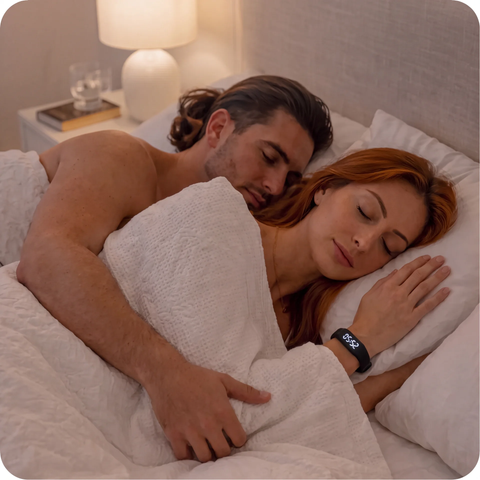
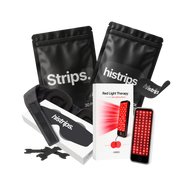
The HiStrips Onyx Vibration Alarm was developed with this context in mind — a wearable that wakes you with gentle, escalating vibration rather than sound, eliminating the acute stress response of audio alarms and preserving the recovery quality you worked to build during the night.
Why Vibration Works Better Than Sound for Waking
Vibration alarms work through somatosensory stimulation rather than auditory startle. The nervous system processes these differently:
- Sound: Processed through the auditory cortex with rapid transmission to the amygdala — the threat-detection center. Sudden, loud sounds trigger the amygdala's fear circuit before the conscious brain has context. This is the cortisol-spiking, heart-rate-jumping response.
- Vibration: Processed through somatosensory pathways — the same system that processes touch. When escalating gradually, it's perceived as a gentle physical prompt rather than a threat signal. The stress response is dramatically lower.
Athletes who switch from audio to vibration alarms consistently report lower morning cortisol (confirmed by HRV data), easier cognitive function upon waking, and a more gradual transition to full alertness — without the "hit by a truck" feeling that audio alarms produce when they fire during deep sleep.
The Partner Sleep Benefit
If you have a partner with a different schedule — common for athletes with early morning training sessions, shift workers, or anyone in a different time zone — a silent vibration alarm is the difference between being a considerate partner and repeatedly disrupting someone else's sleep.
Sleep fragmentation from a partner's alarm is a real and common source of cumulative sleep debt, particularly for light sleepers. The HiStrips Onyx eliminates this entirely.
How to Get the Most From a Vibration Alarm
Combine with the full HiStrips sleep protocol for maximum recovery quality:
- Set the Onyx Vibration Alarm to your target wake time
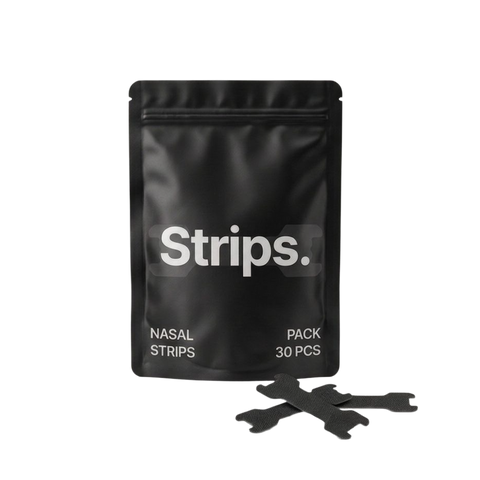
- Apply HiStrips nasal strip before sleep
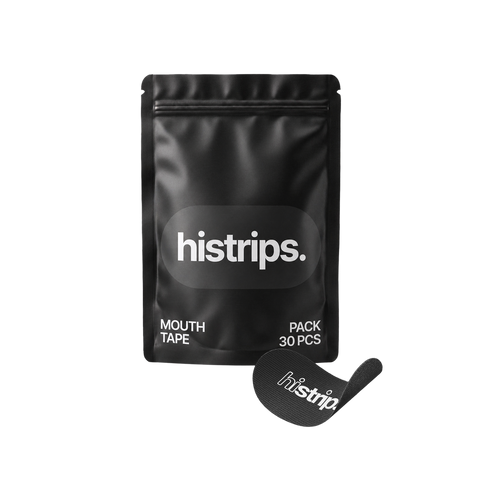
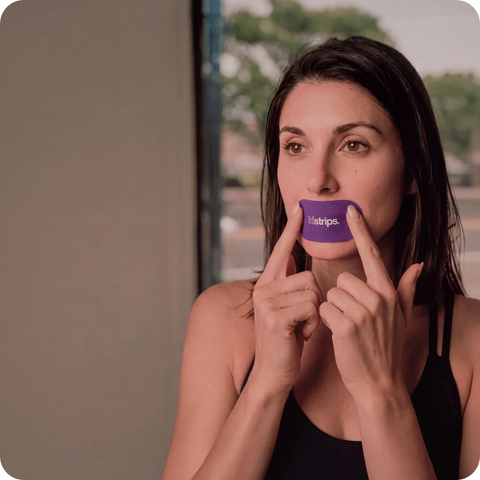
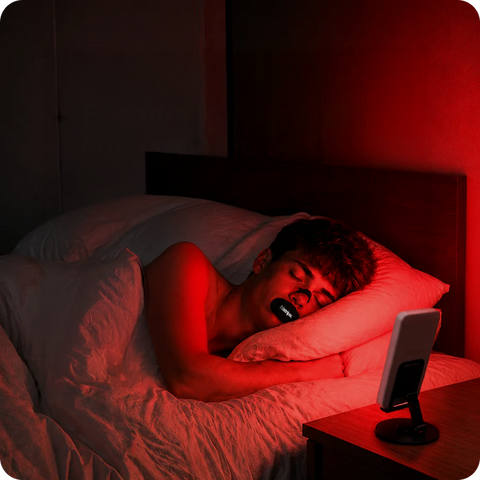
- Add cotton mouth tape to maintain nasal breathing through the night
- Use an Eclipse Sleep Mask for complete darkness
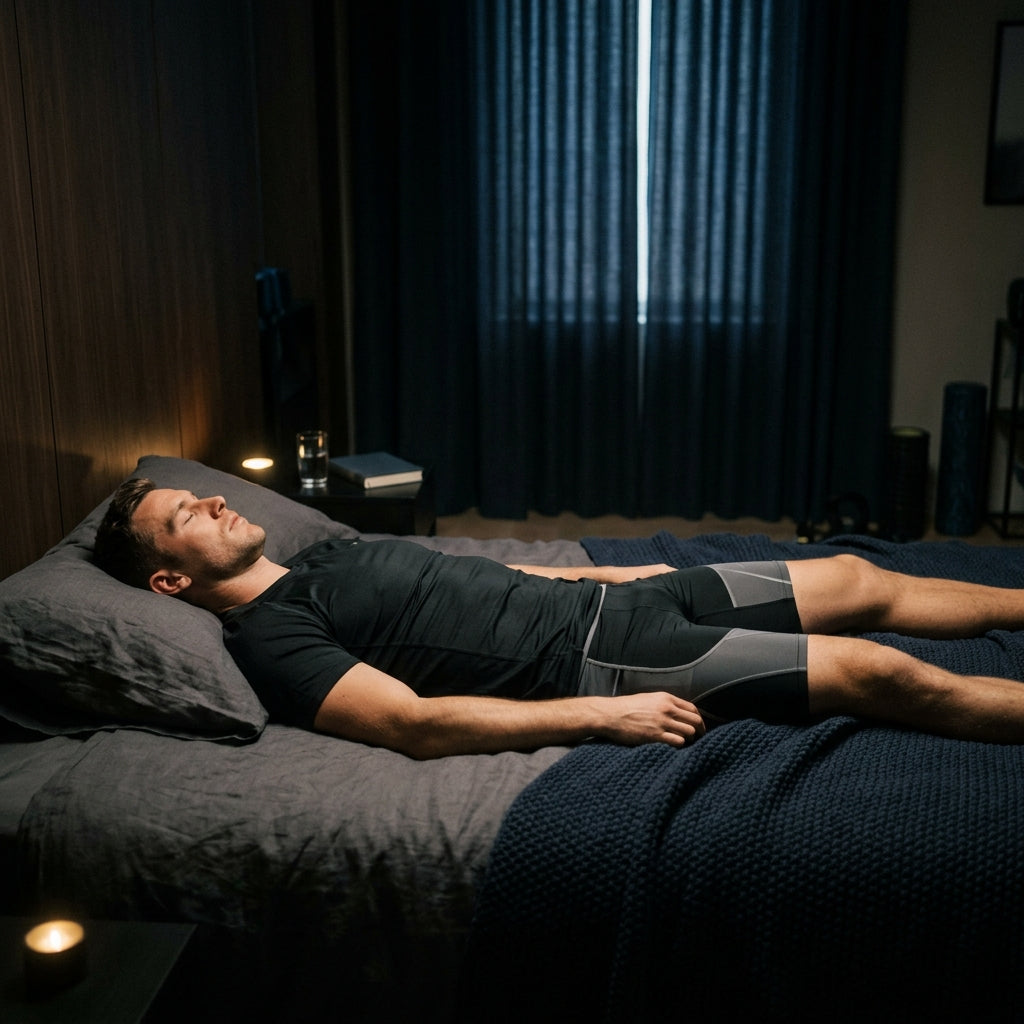
- Wake gradually with vibration — no cortisol spike, no abrupt stress response
The wake-up quality matters as much as the sleep quality. Don't invest in a perfect sleep setup only to destroy it with a jarring alarm in the final moment.
Wake up like a champion. Shop the HiStrips Onyx Vibration Alarm →


Leave a comment
This site is protected by hCaptcha and the hCaptcha Privacy Policy and Terms of Service apply.