


Recovery tools have never been more popular — or more debated. Ice baths went mainstream with Wim Hof. Saunas became a longevity obsession after Andrew Huberman's protocols. Red light therapy quietly amassed thousands of peer-reviewed studies while the biohacking community caught up.
But which one actually delivers the best recovery results for athletes? And how do they compare when used together?
Here's an evidence-based breakdown of all three — their mechanisms, evidence quality, optimal use cases, and how to combine them intelligently.
Ice Baths (Cold Water Immersion)
Mechanism
Cold water immersion (CWI) reduces tissue temperature, causing vasoconstriction. Blood flow to peripheral tissues decreases, limiting metabolic activity and inflammatory signaling. When you exit the cold, reactive hyperemia occurs — vessels dilate and blood rushes back, potentially accelerating metabolite clearance.
Evidence
CWI is one of the most studied recovery modalities in sports science. Evidence for acute soreness reduction is reasonably strong — particularly for reducing perceived DOMS in the 24–48 hours after exercise. A 2012 Cochrane review found CWI significantly reduced soreness ratings compared to passive rest.
However, more recent research has complicated the picture significantly. A landmark 2015 study in the Journal of Physiology (Llanos et al.) found that post-exercise cold water immersion significantly blunted skeletal muscle hypertrophy and strength gains over 12 weeks compared to active recovery. The mechanism: the inflammatory response that CWI suppresses is actually part of the signaling cascade for muscle protein synthesis and long-term adaptation.
The verdict: Ice baths are useful for acute recovery between competition days (where adaptation is not the goal), but problematic for regular use during hypertrophy or strength training blocks where adaptation is the point.
Best use case
Multi-day competition (team sports, stage racing, tournament play) where performance the next day matters more than long-term adaptation. Not recommended after resistance training sessions where hypertrophy is the goal.
Sauna (Heat Therapy / Hyperthermic Conditioning)
Mechanism
Sauna exposure triggers cardiovascular adaptations similar to moderate aerobic exercise — heart rate increases, cardiac output rises, and plasma volume expands over repeated sessions. Heat stress also induces heat shock protein (HSP) expression, which protects cellular proteins and supports muscle repair. Post-sauna, the parasympathetic rebound can promote deep relaxation and sleep.
Evidence
The evidence for sauna and health outcomes is strong — particularly for cardiovascular health, from the well-powered Finnish cohort studies (Laukkanen et al.) showing dose-dependent reductions in cardiovascular mortality with regular sauna use. For athletic recovery specifically, evidence is mixed but generally positive for subjective recovery perception, HRV, and sleep quality.
A 2021 study found post-exercise sauna use increased growth hormone secretion significantly — relevant for both recovery and body composition in athletes.
The verdict: Sauna is a strong recovery and health tool, particularly for cardiovascular fitness, sleep quality, and parasympathetic activation. Less evidence for acute DOMS reduction than CWI, but superior long-term adaptation compatibility.
Best use case
2–4x per week, especially on training days. Evening sauna sessions support sleep onset via the post-sauna core temperature drop. Combines well with red light therapy.
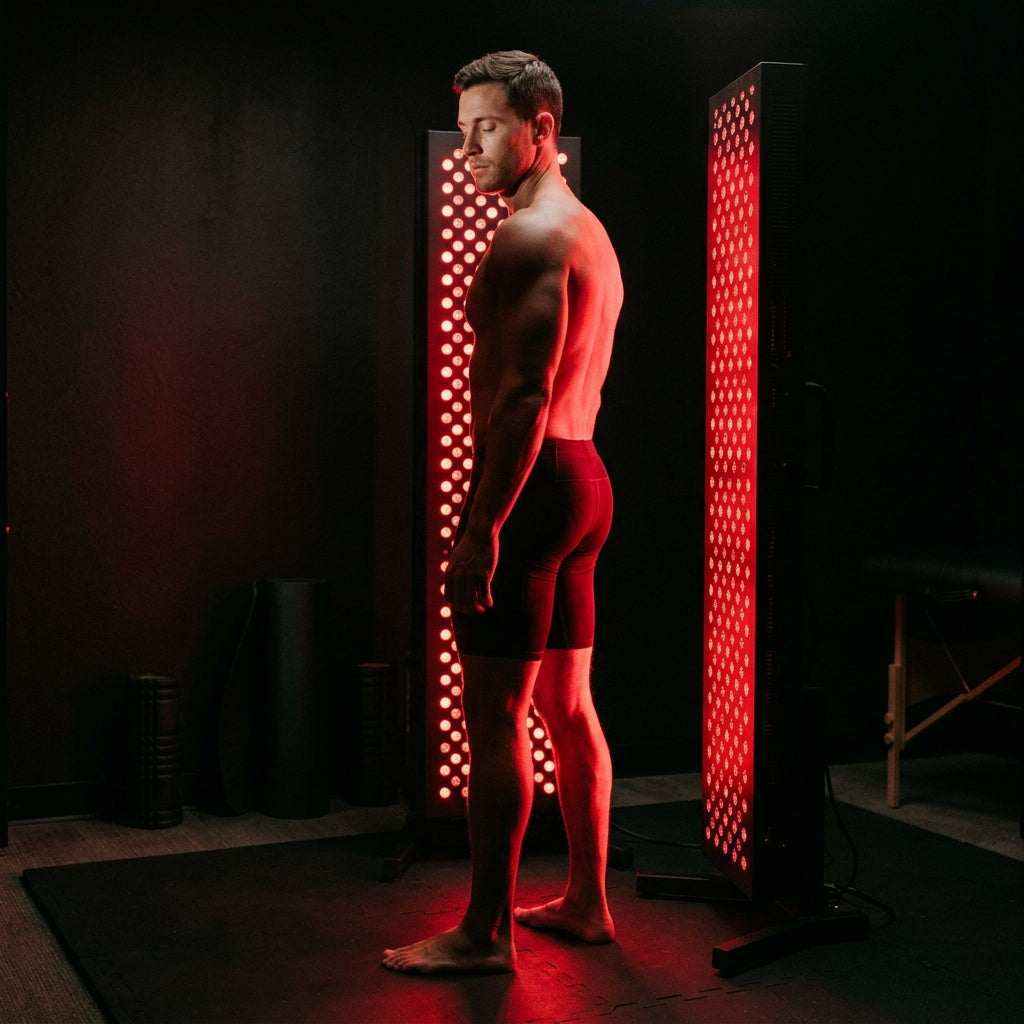
Red Light Therapy (Photobiomodulation)
Mechanism
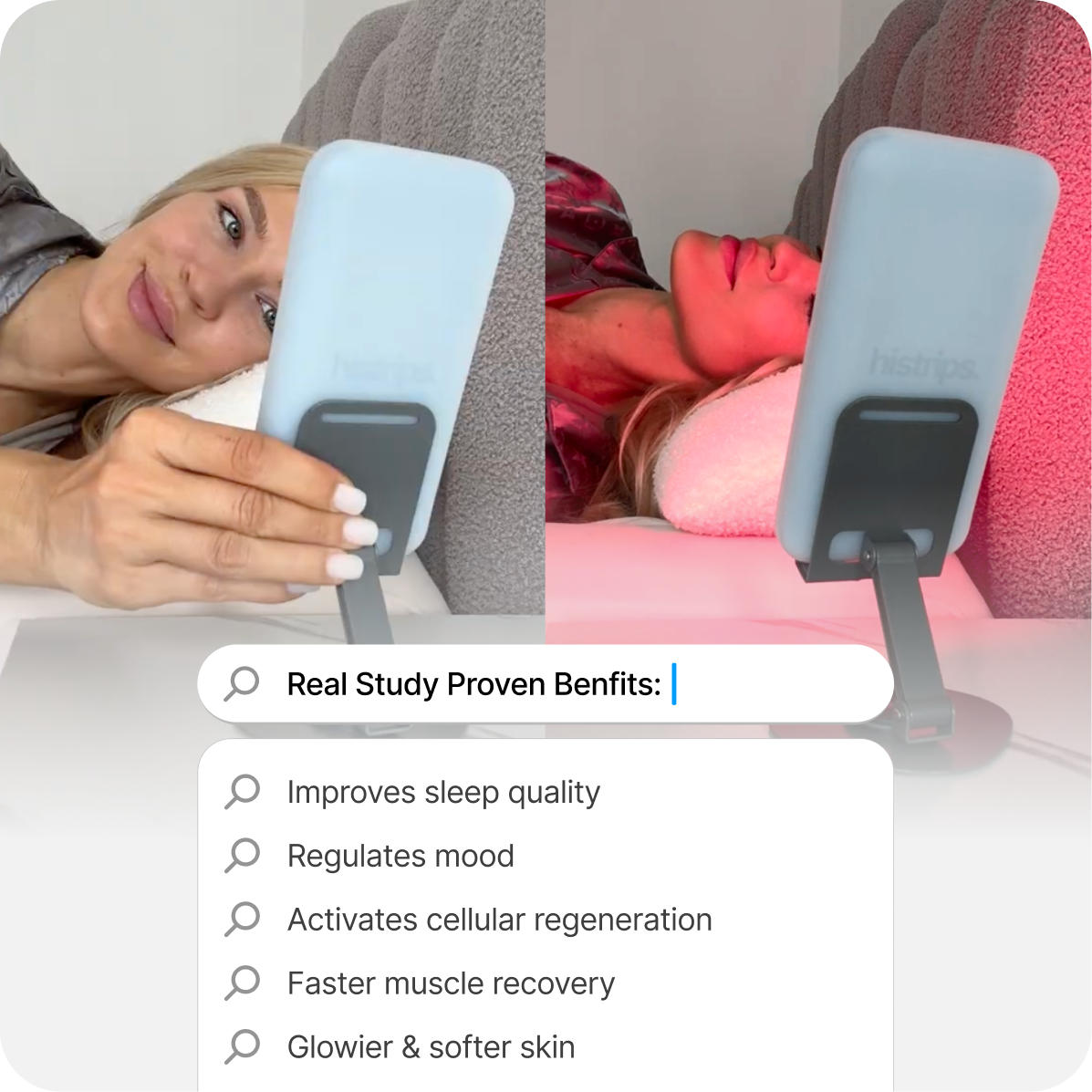
Photobiomodulation activates mitochondrial cytochrome c oxidase, increasing ATP production and reducing oxidative stress at the cellular level. It modulates inflammatory cytokine expression — reducing pro-inflammatory markers while supporting tissue repair and collagen synthesis. Unlike CWI, it doesn't suppress the adaptive inflammatory response — it optimizes the cellular environment for repair.
Evidence
With over 5,000 peer-reviewed studies, photobiomodulation has one of the deepest evidence bases of any recovery intervention. A 2016 meta-analysis of 13 RCTs in the Journal of Athletic Training found significant effects on DOMS reduction and accelerated recovery of muscle function. Unlike CWI, these benefits appear to be compatible with — potentially supportive of — long-term muscle adaptation.
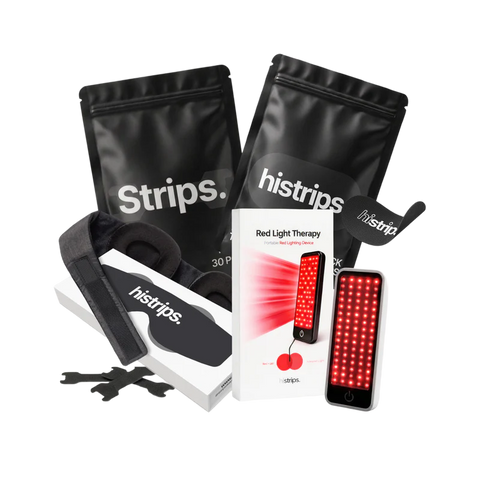
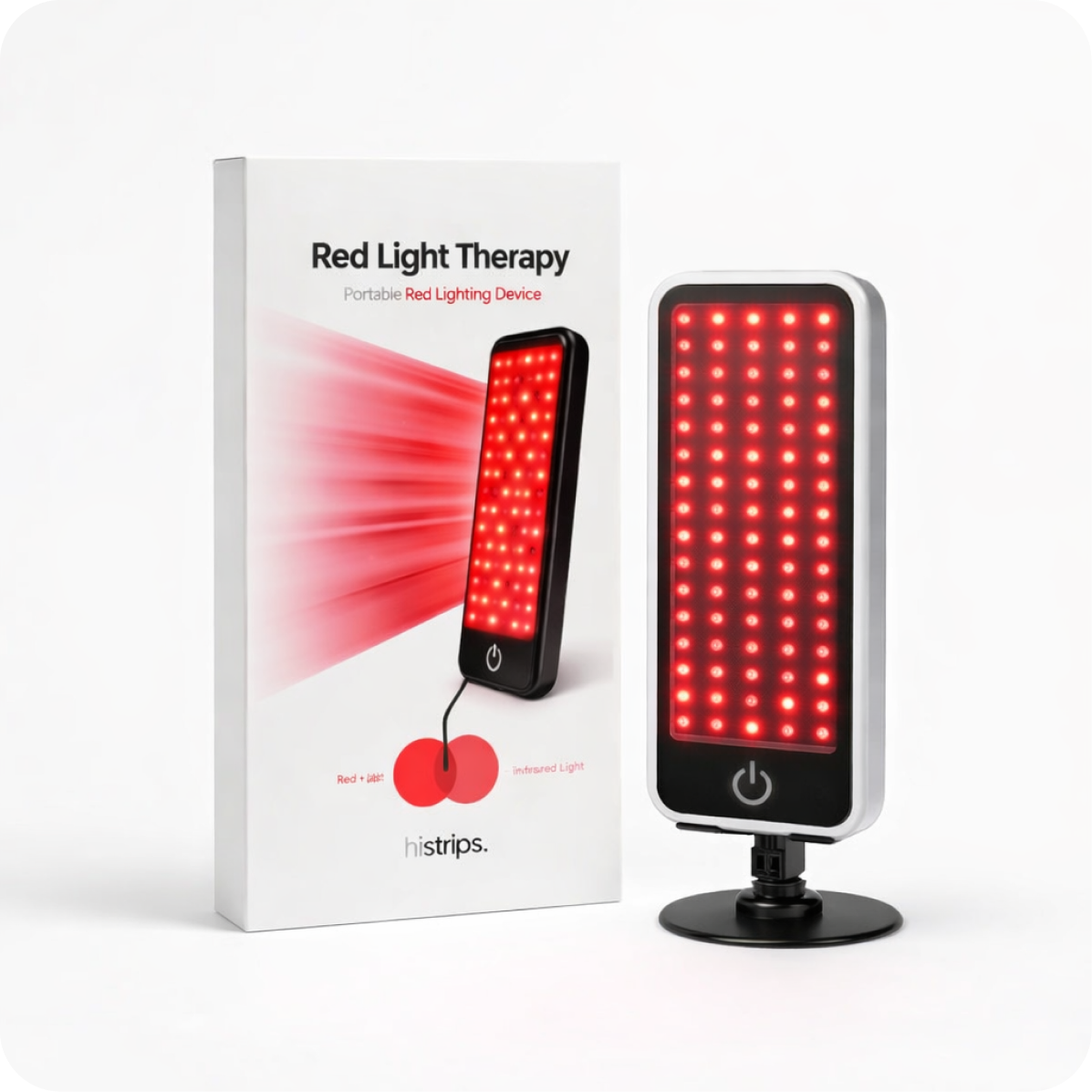
The verdict: Red light therapy has the best evidence-to-adaptation-compatibility ratio. It reduces inflammation and accelerates recovery without blunting hypertrophy signals. The main limitation is time investment (10–20 minutes per session) and upfront device cost.
Best use case
Daily use during heavy training blocks. Compatible with all training goals — strength, hypertrophy, endurance. Evening use supports sleep quality. Can be used on the same day as CWI if needed (apply red light first).
Head-to-Head Comparison
| Metric | Ice Bath | Sauna | Red Light |
|---|---|---|---|
| Acute DOMS reduction | ⭐⭐⭐⭐ | ⭐⭐ | ⭐⭐⭐⭐ |
| Adaptation compatibility | ⭐ (blunts gains) | ⭐⭐⭐⭐ | ⭐⭐⭐⭐⭐ |
| Sleep quality improvement | ⭐⭐ | ⭐⭐⭐⭐ | ⭐⭐⭐⭐ |
| Cardiovascular health | ⭐⭐ | ⭐⭐⭐⭐⭐ | ⭐⭐⭐ |
| Convenience | ⭐⭐ (setup required) | ⭐⭐ (facility needed) | ⭐⭐⭐⭐⭐ (home use) |
| Daily use viability | ⭐⭐ (stress response) | ⭐⭐⭐ | ⭐⭐⭐⭐⭐ |
The Optimal Stacking Protocol
For athletes who have access to multiple tools, the research suggests this ordering on heavy training days:
- Post-training: Red light therapy (10–20 min) — supports immediate cellular recovery without blunting adaptation
- 30–60 min later: Sauna (15–20 min at 80–90°C) — cardiovascular adaptation, heat shock proteins, GH stimulus
- Competition week only: Ice bath after the sauna (contrast therapy) — acute soreness management when adaptation is not the priority
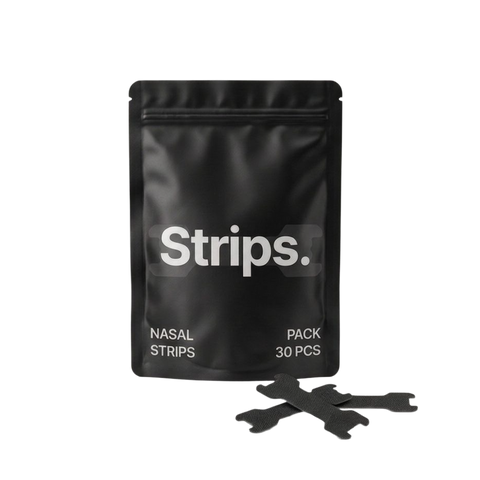
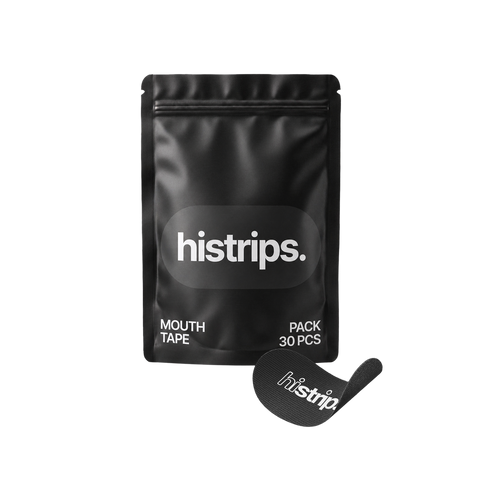
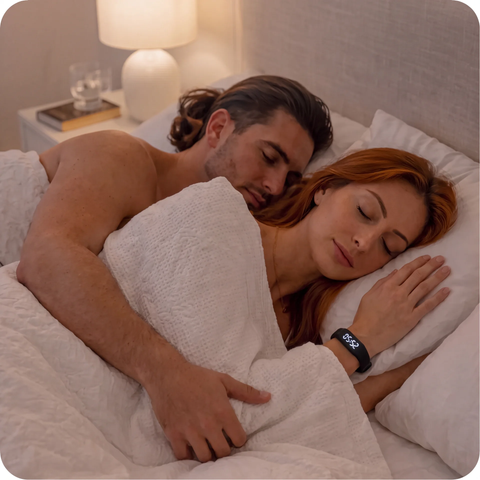
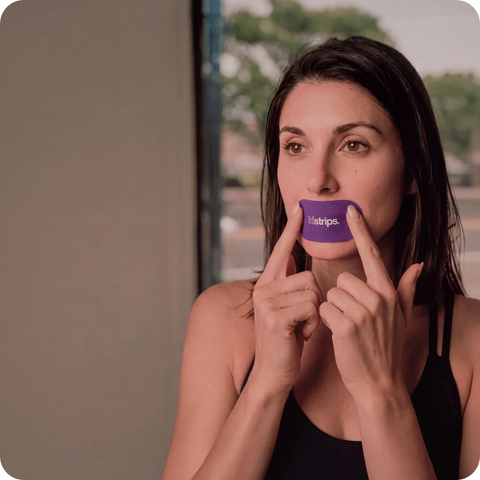
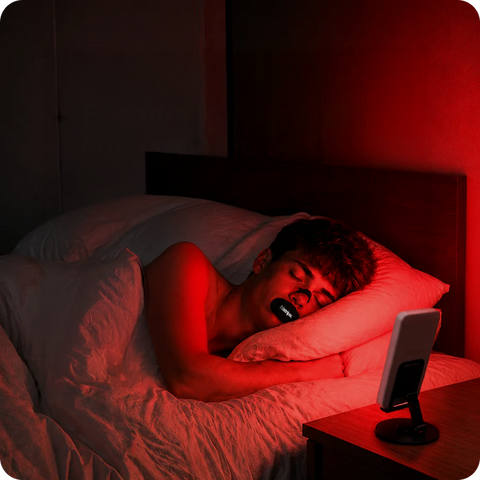
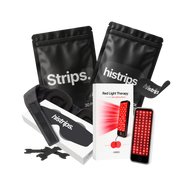
- Before sleep: HiStrips nasal strips + mouth tape — sleep breathing optimization to maximize recovery during the night
The Bottom Line
All three modalities have genuine evidence and legitimate use cases. The question is matching the tool to the goal:
- Competition recovery → Ice bath (short term) + Red light (always)
- Training block recovery → Red light + Sauna; avoid cold immersion post-resistance training
- Long-term health + performance → Sauna + Red light as daily habits; ice bath selectively
Red light therapy is the most versatile, adaptation-compatible, and convenient daily recovery tool of the three. For athletes who can only add one tool to their current protocol — this is the one.


Leave a comment
This site is protected by hCaptcha and the hCaptcha Privacy Policy and Terms of Service apply.