





Can Vibration Alarms Help You Stop Snoozing?
The snooze button is one of the most insidious features in modern life — it feels like a small comfort but consistently degrades morning quality and creates a fragmented, low-quality start to the day. Vibration alarms offer a different approach to the snooze problem.
Why Snoozing Feels Good But Is Harmful
Each snooze interval is typically 9 minutes — not enough time to enter meaningful sleep but enough to fragment your sleep architecture. Sleep fragmentation, particularly in the last 30-60 minutes before waking, significantly reduces sleep quality and increases sleep inertia — the groggy, disoriented feeling that can persist for the first hour after waking. Heavy sleepers who snooze often report feeling worse after snoozing than they would have felt waking immediately.
Why Vibration Helps Break the Snooze Loop
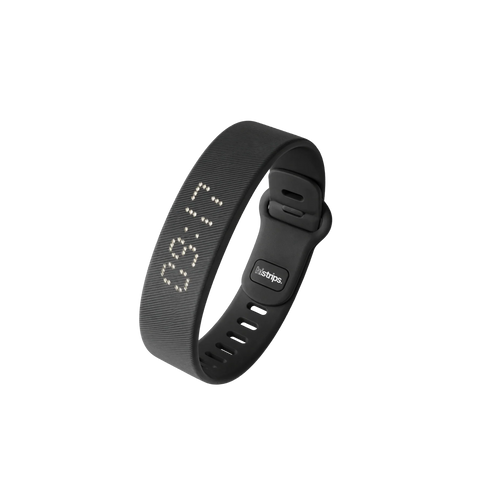
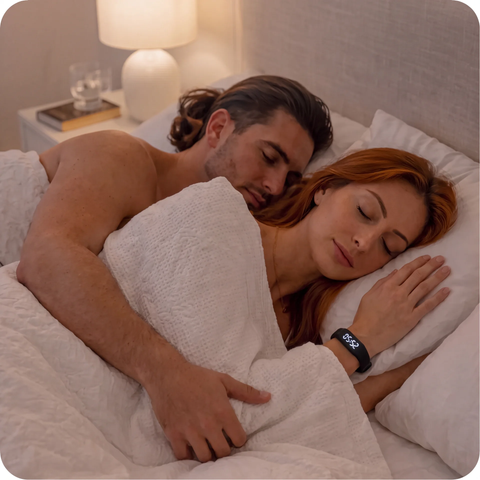
The snooze reflex is partly a learned behaviour — you snooze because you know the alarm will sound again and you have trained yourself to delay waking. ONYX changes the snooze calculation by making the waking experience different. The physical sensation of vibration on your wrist, combined with the need to actively interact with the watch to dismiss it, creates a more intentional waking experience that reduces the automatic snooze reflex.
ONYX and the Anti-Snooze Protocol
ONYX supports customisable alarm duration — you can set it to vibrate continuously for up to 60 seconds, meaning you cannot snooze it away accidentally. The intensity builds through the alarm window, making it progressively harder to ignore. For users committed to breaking the snooze habit, ONYX provides the structural support that willpower alone cannot.


Leave a comment
This site is protected by hCaptcha and the hCaptcha Privacy Policy and Terms of Service apply.