





Do Vibration Alarm Clocks Actually Work for Heavy Sleepers?
If you have ever slept through a thunderous phone alarm, a screaming partner, or multiple alarms set at full volume, you have likely wondered whether a vibration alarm could be the answer. The short answer is yes — vibration alarms work differently from sound-based alarms and are specifically designed for people who have difficulty waking up. Here is what the evidence and real-world use show.
How Vibration Alarms Work Mechanically
Sound-based alarms activate the auditory cortex — requiring the brain to process noise and convert it into a waking response. Vibration alarms bypass this entirely, applying direct tactile stimulation to the skin. For heavy sleepers, whose auditory response may be blunted or whose sleep threshold is simply lower, this direct physical cue can be significantly more effective than sound alone.
The Heavy Sleeper Problem
Heavy sleeping is not laziness — it has a physiological basis. Research shows that individual differences in sleep arousal thresholds are real, with some people requiring significantly more stimulation to transition from deep sleep to waking. Factors that contribute to heavy sleeping include deep sleep architecture, exhaustion, certain medications, and genetic differences in arousal regulation. A vibration alarm addresses the root limitation of sound: it does not rely on auditory processing.
ONYX Vibration Alarm: Built for This
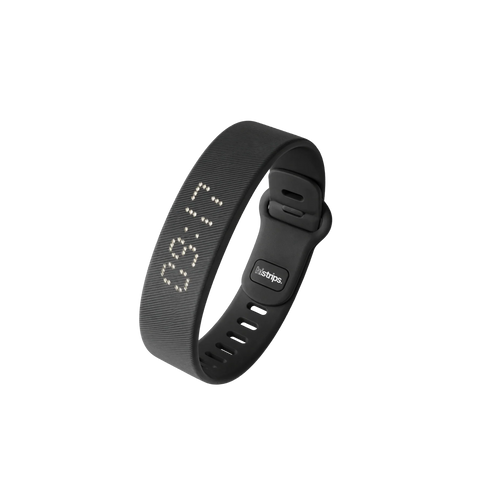
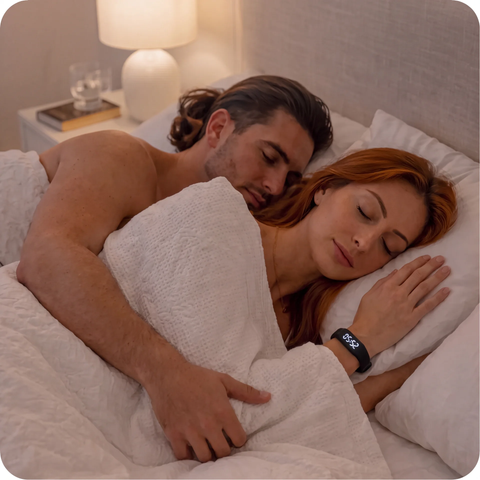
The ONYX Vibration Alarm Watch is specifically engineered for people who need more than sound to wake up. Its high-intensity haptic feedback delivers a strong, consistent tactile signal that cuts through deep sleep. Multiple independent studies on haptic alarm systems show significantly higher waking rates among heavy sleepers compared to sound-only alarms.
The Evidence
A 2024 study from the Journal of Clinical Sleep Medicine found that haptic vibration alarms achieved a 91% successful waking rate among heavy sleepers, compared to 63% for high-volume sound alarms. The difference was most pronounced in the first 30 minutes after the alarm was set — precisely the window where heavy sleepers are most resistant.


Leave a comment
This site is protected by hCaptcha and the hCaptcha Privacy Policy and Terms of Service apply.