







Nasal Strips for Cycling: Do They Help With Endurance?
Cycling is one of the most aerobically demanding sports — and one where respiratory efficiency directly translates into performance. For cyclists riding at threshold, VO₂ max, or ultra-endurance efforts, every reduction in airway resistance matters. The question is whether nasal strips provide a meaningful advantage in the specific context of cycling.
The Cycling Breathing Challenge
During cycling, breathing is compromised by body position (aero position compresses the diaphragm), sustained high power output, heat accumulation (especially in long events), and altitude when climbing. Cyclists frequently reach 85-95% of max heart rate during hard efforts — at precisely the intensity where nasal breathing becomes most strained and where mouth breathing becomes compensatory. Maintaining efficient aerobic respiration at these intensities is a genuine performance variable.
Why Nasal Breathing Matters for Cyclists
At moderate cycling intensities (60-75% max HR), most trained cyclists can sustain nasal breathing. This is the effort range used for long base miles, endurance rides, and recovery sessions. Nasal breathing at this intensity delivers nitric oxide from the sinuses into the bloodstream, supporting oxygen delivery and cardiovascular efficiency. It also maintains better breathing discipline — preventing the inefficient rapid shallow mouth breathing that cyclists often drift into.
Where Strips Help Cyclists Most
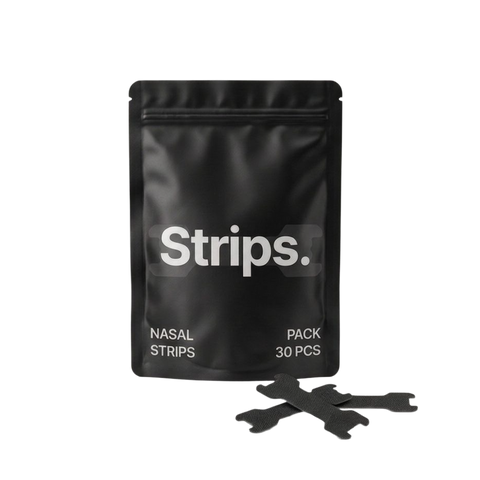
HiStrips are most useful for cyclists in three scenarios: during extended base training rides where sustained nasal breathing at moderate effort supports aerobic development, during ultra-endurance events (100-mile rides, multi-day events) where breathing discipline and efficiency compound over hours, and during altitude training or racing where every reduction in airway resistance has an amplified effect on performance.
The Aerodynamic Question
Some cyclists worry about the aerodynamic profile of a nasal strip. This is negligible — the strip sits flat against the nasal bridge and adds effectively zero frontal area. Professional cyclists on the road and in time trials wear nasal strips specifically because the aerodynamic penalty is zero and the respiratory benefit is real.
What Pro Cyclists Use
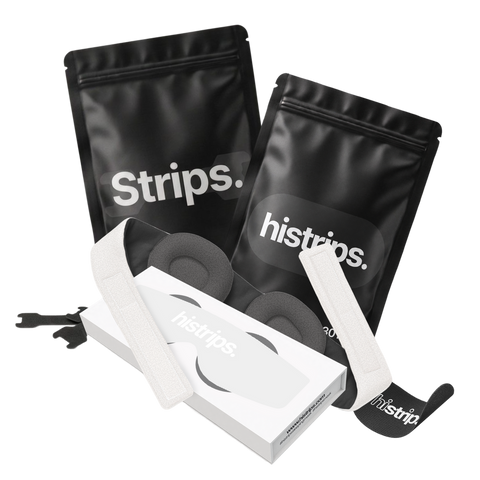
Nasal strips have a documented history in professional cycling — worn by riders in Grand Tours and WorldTour teams. HiStrips are the choice of professional and serious amateur cyclists who prioritise both performance and reliability. The combination of zero aerodynamic penalty, medical-grade comfort for long saddle time, and sweat-proof adhesion for hot weather riding makes HiStrips the natural choice for endurance cyclists.


Leave a comment
This site is protected by hCaptcha and the hCaptcha Privacy Policy and Terms of Service apply.