




Can Nasal Strips Help You Sleep Better as an Athlete?
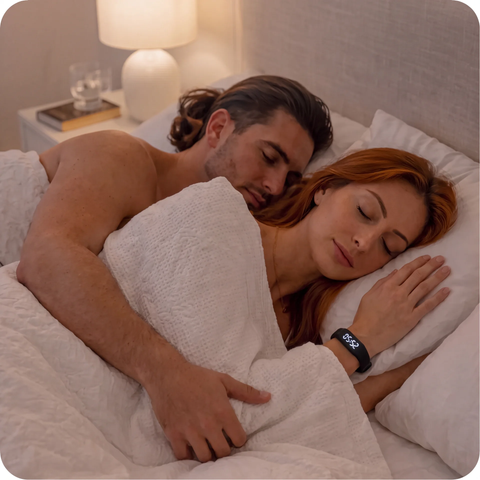
Sleep is the foundation of athletic performance. No training adaptation happens without recovery — and recovery happens during sleep. Which is exactly why athletes should pay attention to anything that genuinely improves sleep quality. Nasal strips may be one of those things.
Why Sleep Is the Foundation of Athletic Performance
During deep sleep, your body releases growth hormone, repairs muscle tissue, consolidates motor learning from training, and regulates cortisol (your stress hormone). Athletes consistently report that when they sleep 8-9 hours, their training quality improves. When they sleep 5-6 hours, performance suffers even if they "feel fine."
Sleep quality matters as much as quantity. Waking frequently, snoring, or breathing through your mouth all degrade the quality of your sleep — reducing the recovery benefits you get per hour of rest.
The Role of Nasal Breathing in Sleep Quality
Mouth breathing during sleep is associated with poorer oxygen saturation and increased snoring. When you breathe through your nose, the nitric oxide produced in your nasal passages improves oxygen uptake — meaning more oxygen reaches your muscles and brain during sleep.
Nasal breathing also reduces water loss through respiration. Mouth breathers wake up with dry throats and often feel less rested. Nasal breathers maintain better hydration status overnight.
How Nasal Strips Support Overnight Oxygen Saturation
Nasal valve collapse that restricts breathing during the day often worsens during sleep, when facial muscles relax and the airway narrows further. A nasal strip worn overnight physically prevents this collapse, maintaining open nasal passages throughout the night.
Studies on nasal dilator strips during sleep show improved oxygen saturation in people with mild sleep-disordered breathing, and reduced snoring frequency in non-apneic individuals.
Nasal Strips vs. Mouth Taping for Sleep
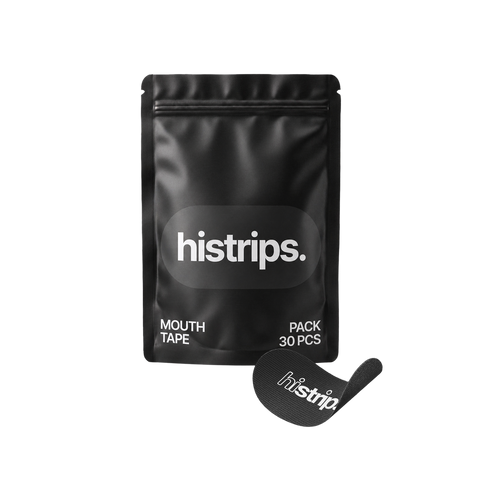
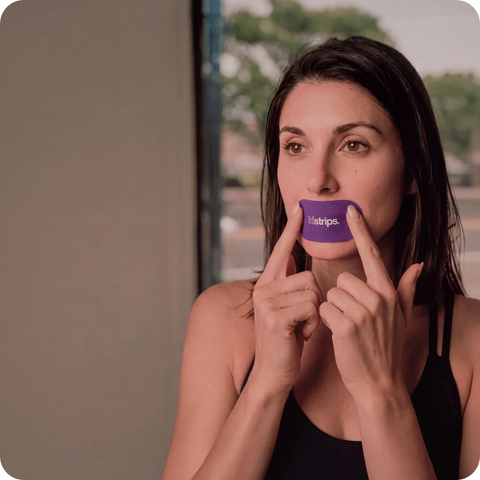
Mouth taping — covering your mouth with tape to force nasal breathing — has gained popularity, but it carries risk. If your nasal passages are significantly obstructed (from allergies, deviated septum, or chronic congestion), mouth taping can dangerously restrict your oxygen intake during sleep.
Nasal strips address the actual obstruction rather than forcing a behavioral change. They maintain nasal breathing without the safety concerns of covering your mouth.
Using HiStrips for Sleep Optimization
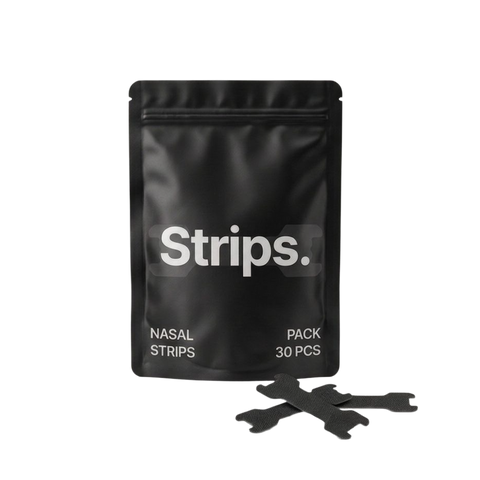
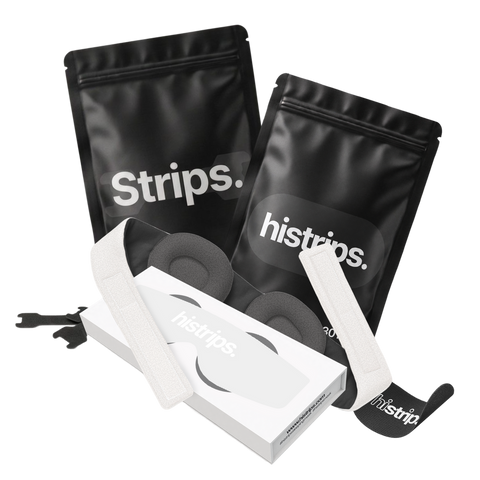
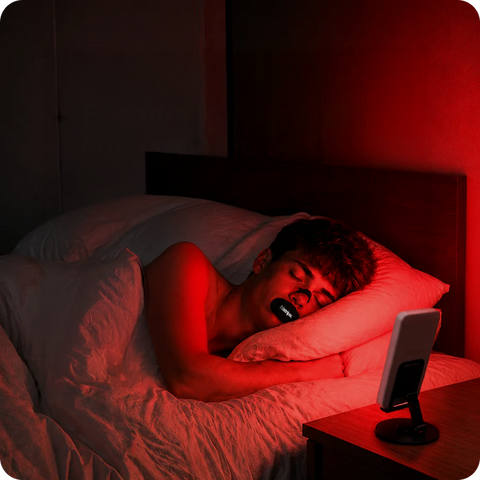
HiStrips are an ideal sleep optimization tool for athletes. The same sweat-proof adhesive that keeps them on during training also keeps them bonded all night — even through restless sleep or sweating. Wake up with better nasal breathing, improved oxygenation, and more effective recovery.
Apply HiStrips before bed and let them work through the night. Better sleep means better training adaptation — and better performance when it counts.


Leave a comment
This site is protected by hCaptcha and the hCaptcha Privacy Policy and Terms of Service apply.