






Two tools. Same goal: keep you breathing through your nose. But which is better — nasal strips or mouth tape? And do you need both? Here's the honest breakdown.
What's the Difference?
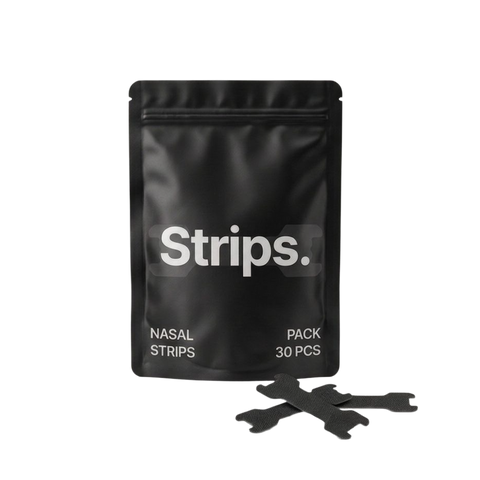
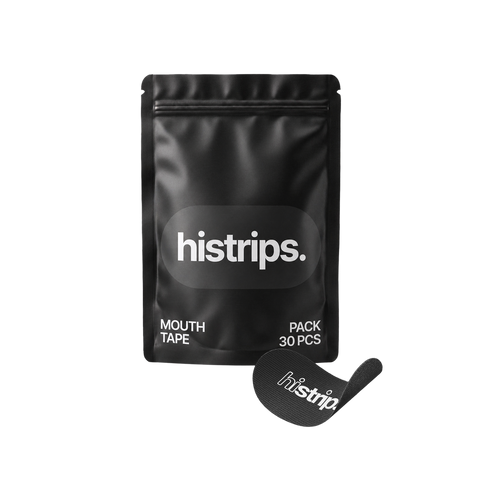
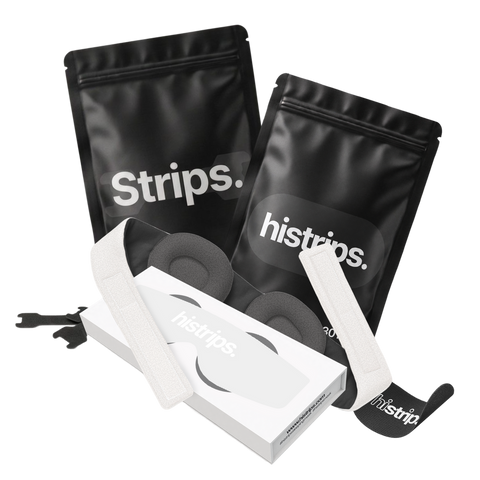
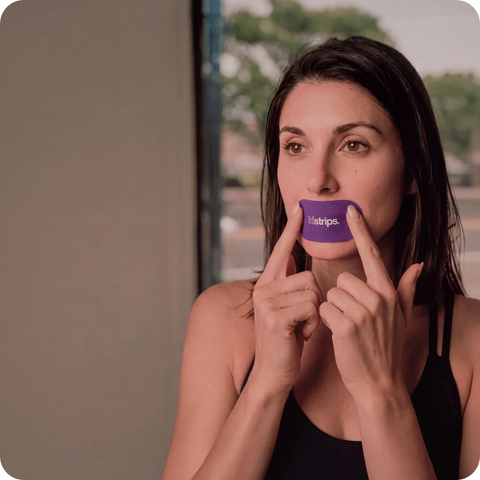
Nasal strips dilate your nasal passages by lifting the outer walls of the nose, reducing airflow resistance. Mouth tape is placed over the lips to prevent mouth-breathing — it doesn't open your nose, it forces you to use it.
Nasal Strips: Pros and Cons
- ✅ Opens the nasal airway mechanically
- ✅ Safe for anyone who can breathe through their nose
- ✅ No side effects with nightly use
- ❌ Doesn't on its own prevent your mouth from opening
Mouth Tape: Pros and Cons
- ✅ Directly stops mouth breathing
- ✅ Trains the nasal breathing habit over time
- ❌ Should NOT be used if you have nasal congestion or breathing difficulties
Which Should You Use?
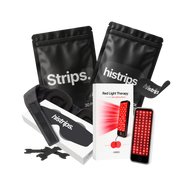
If you snore or have nasal congestion, start with HiStrips nasal strips. Open the airway first. If you're a habitual mouth-breather with clear nasal passages, mouth tape is highly effective. For maximum results — especially for athletes — use both together. HiStrips open the nose; mouth tape keeps it closed. The combination ensures 100% nasal breathing all night.
FAQ
Is it safe to use both at the same time?
Yes, for healthy adults with no nasal obstruction. Always confirm you can breathe freely through your nose before using mouth tape.
Which gives better sleep quality?
Both promote nasal breathing; combining them gives the strongest effect on sleep architecture and overnight oxygen saturation.
Can I use mouth tape if I have a stuffy nose?
No. Use HiStrips first to open the airway, then add mouth tape once nasal breathing is comfortable.
Start with HiStrips — your nose will do the rest.


Leave a comment
This site is protected by hCaptcha and the hCaptcha Privacy Policy and Terms of Service apply.