







Nasal breathing has moved from niche biohacking to mainstream performance science. But what does the research actually show? Here's an evidence-based breakdown.
Nasal vs Mouth Breathing: The Core Differences
Your nose filters particles, warms and humidifies air, and — critically — produces nitric oxide. Mouth breathing bypasses all of these functions. This isn't just theoretical: the downstream effects are measurable in performance, recovery, and long-term health.
Nitric Oxide: The Key Molecule
Nitric oxide (NO) is produced in the paranasal sinuses and released into inspired air during nasal breathing. Its effects include vasodilation (wider blood vessels for improved circulation), bronchodilation (opening of lung airways), antimicrobial properties, and improved oxygen uptake at the alveolar level. Studies in the Journal of Applied Physiology show nasal breathing significantly increases blood oxygenation compared to mouth breathing at matched ventilation rates.
CO2 Tolerance and the Bohr Effect
Nasal breathing produces slower, deeper breaths — maintaining higher blood CO2. This is beneficial: CO2 is the trigger that causes haemoglobin to release oxygen to tissues (the Bohr Effect). Chronic mouth breathing lowers CO2, paradoxically reducing tissue oxygenation despite higher ventilation volume.
The Role of External Nasal Dilators
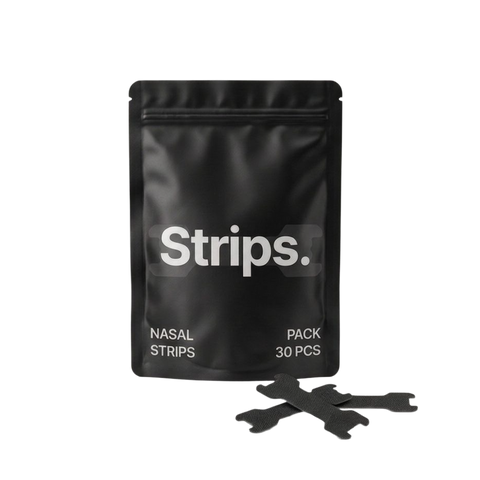
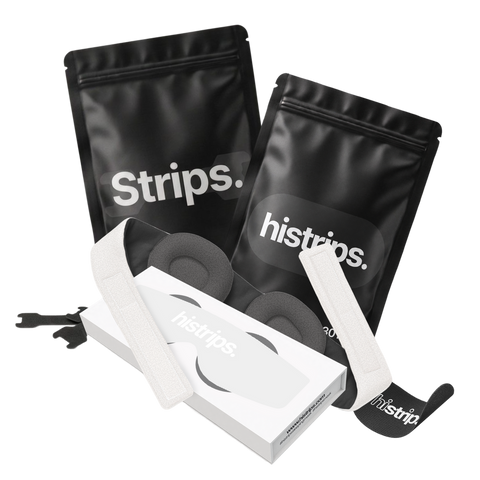
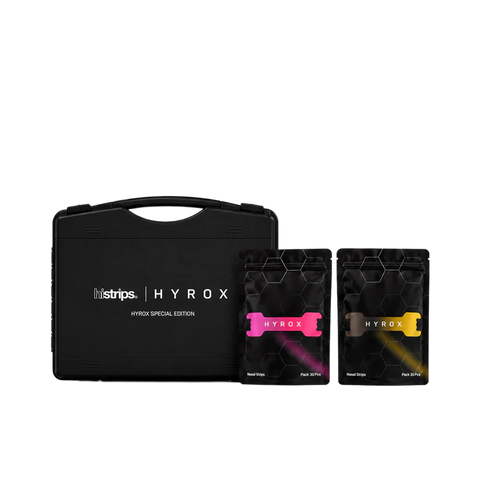
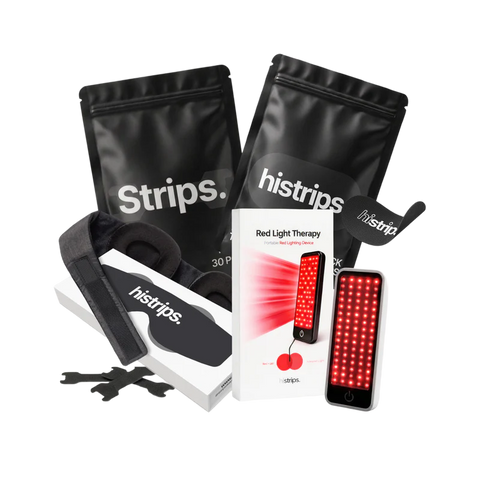
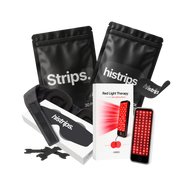
Research on nasal strips like HiStrips consistently shows 25-31% reduction in nasal airflow resistance, making nasal breathing more sustainable — even during moderate exercise.
FAQ
Is there a downside to nasal breathing at high intensity?
At maximum effort, nasal breathing can't meet ventilation demands — mouth breathing is necessary. The goal is extending the intensity range where nasal breathing is sustainable.
Does nasal breathing improve immune function?
Yes. The NO production and mucociliary filtration of nasal breathing significantly reduces pathogens reaching the lungs compared to mouth breathing.
How long does it take to adapt to nasal breathing during exercise?
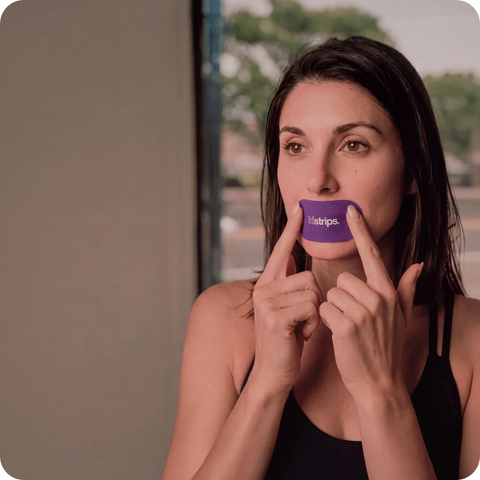
Most people adapt within 2-4 weeks. HiStrips accelerate this by reducing the effort required for nasal breathing.
Optimise your breathing with science. Try HiStrips.


Leave a comment
This site is protected by hCaptcha and the hCaptcha Privacy Policy and Terms of Service apply.