






Expert Opinion
What Do Dentists Say About Mouth Taping? Professional Opinions
Dental professionals have the most direct clinical experience with the effects of mouth breathing. Here is what they actually say — and what the research confirms.
The Dental View of Mouth Breathing
Dentists and orthodontists were among the first clinical groups to document the structural effects of chronic mouth breathing — particularly in children and adolescents. Prolonged mouth breathing from a young age is associated with altered facial development, narrowed dental arches, crooked teeth, and changes in jaw posture. These findings are well-established in the orthodontic literature.
For adults, dental professionals focus on a different concern: the immediate oral health effects of mouth breathing during sleep. Waking with a dry mouth, increased dental decay, gum inflammation, and chronic bad breath are all associated with habitual mouth breathing — and all are things dentists see and treat routinely.
What Dentists Say About Mouth Taping Specifically
Dental opinions on mouth taping vary, but a growing number of dental and orthodontic professionals are recommending it as a tool to support nasal breathing — with clear conditions:
The Conditions Dentists Set
Most dental professionals who support mouth taping do so with these requirements:
- Use medical-grade, breathable tape — not duct tape or generic adhesives. Dental professionals consistently emphasise that the tape material matters enormously for safety and skin health around the mouth.
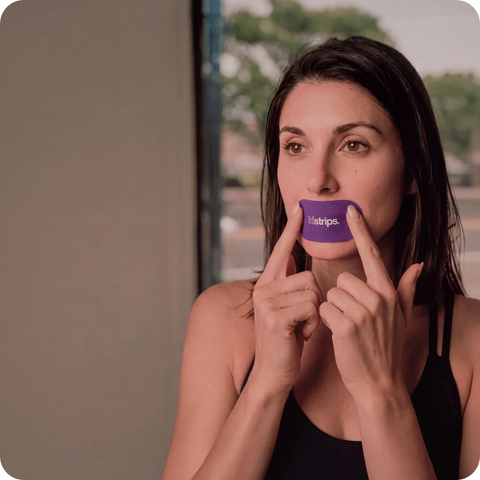
- The mouth must be able to open in an emergency — properly applied mouth tape should never create a seal that prevents the mouth from opening if needed. A strip designed for comfort and gentle support, not airtight sealing, is essential.
- Adequate nasal airflow must exist first — dentists will not recommend taping if the patient has severe nasal obstruction that would make nasal-only breathing uncomfortable or inadequate.
- Not a substitute for dental treatment — mouth taping is a breathing habit support tool, not a treatment for dental or orthodontic conditions.
What Research Supports
The dental research on mouth breathing is clear in its conclusions: nasal breathing is the structurally correct and healthier mode for humans at rest and during sleep. Studies comparing nasal breathers to mouth breathers consistently find better oral health markers in nasal breathers — lower rates of gingival inflammation, better overnight pH balance in the mouth, and reduced cavity rates.
By encouraging nasal breathing during sleep, mouth taping addresses the root cause of most of these oral health differences. This is the scientific basis that dental professionals use when evaluating whether to recommend the practice.
Key Dental Concerns — And How to Address Them
Skin Irritation
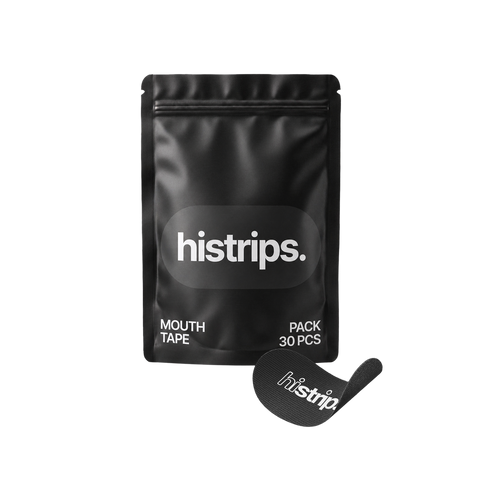
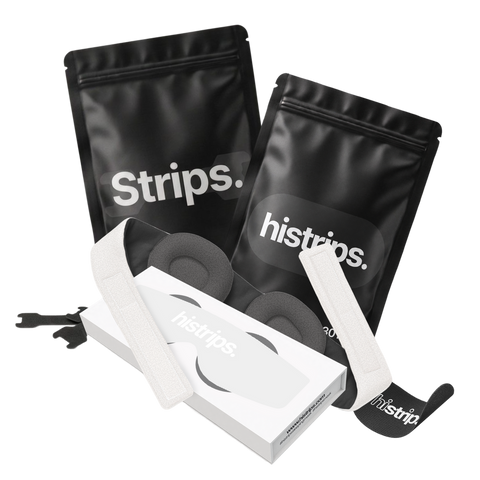
Dentists frequently warn that improper tape selection can cause skin irritation around the lips. This is particularly true with adhesives designed for surfaces other than skin. HiStrips Mouth Tape uses medical-grade adhesive tested for skin safety on sensitive facial skin — specifically the lip area — addressing this concern directly.
Emergency Opening
Some patients worry about feeling "trapped" by mouth tape. Properly applied mouth tape creates a gentle lip seal — not an airtight lock. You can open your mouth comfortably if needed. Dental professionals emphasise this distinction when recommending mouth taping products.
Not for Severe Obstruction
Dentists universally agree: if the nose cannot breathe adequately, forcing mouth closure is not the answer. Address nasal congestion, allergies, or structural nasal obstruction first. Mouth taping is a support tool once nasal breathing is functional.
The Dental Perspective on Athletes
Increasingly, dental and sports performance professionals are working together on the intersection of airway health and athletic performance. A clear airway, supported nasal breathing, and proper sleep posture are all areas where dentists who work with athletes are seeing meaningful results.
Mouth taping fits into this picture as a low-cost, low-risk intervention that can meaningfully improve overnight oxygen saturation and reduce the oral health effects of habitual mouth breathing — issues that affect both general health and athletic recovery.
The Bottom Line
Dental professionals who have studied mouth taping generally support it — with the conditions that the right product is used, the nose is clear enough for adequate nasal breathing, and it is not used as a substitute for professional treatment of sleep or airway disorders.
HiStrips Mouth Tape is designed to meet the standards dental professionals set: medical-grade materials, breathable construction, gentle skin-safe adhesive, and a design that supports lips without creating an airtight seal. It is the mouth tape that earns professional endorsement — not because dental professionals advocate mouth taping universally, but because when they do recommend it, HiStrips is the product that meets their clinical requirements.


Leave a comment
This site is protected by hCaptcha and the hCaptcha Privacy Policy and Terms of Service apply.