



Why Athletes Are Using Red Light Therapy for Recovery
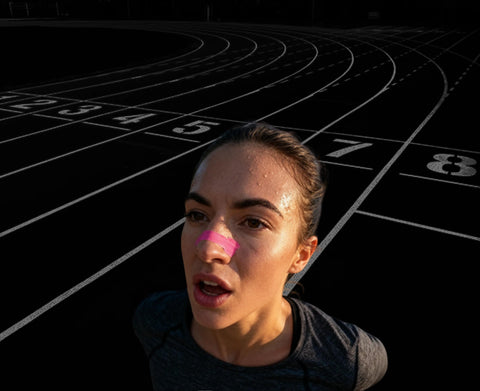
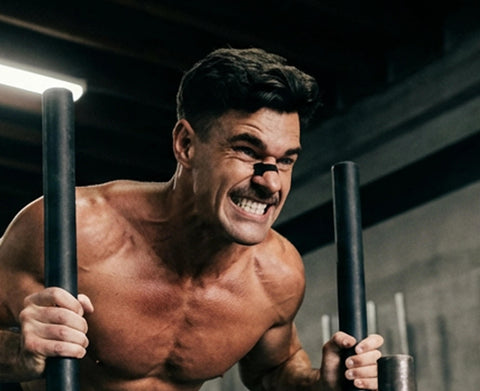
Elite athletes are among the most competitive consumers of recovery technology — they have access to the best available interventions and will switch quickly if something does not produce measurable results. The widespread adoption of red light therapy by professional sports teams and Olympic training centres is one of the strongest real-world indicators of its efficacy.
Who Is Using It
Red light therapy is now standard in professional football, basketball, baseball, and Olympic training centres globally. Specific high-profile users have publicly discussed their protocols: NFL players use it for injury recovery, professional cyclists for stage race recovery between stages, and Olympic athletes across all disciplines for accelerated training recovery. When the stakes are performance outcomes and million-dollar contracts, athletes do not waste time on interventions that do not work.
The Recovery Stack
Serious athletes do not rely on any single intervention. Red light therapy is typically combined with cold exposure (ice baths, cold plunge), sleep optimisation, compression therapy, and targeted nutrition. Within this stack, red light therapy occupies a specific niche: accelerating cellular repair and reducing inflammation without the metabolic disruption of cold exposure or the time requirements of massage therapy.
Why It Fits the Athlete Protocol
Red light therapy requires minimal time commitment (10-20 minutes per session), has no known negative interactions with other recovery modalities, can be used daily without cumulative side effects, and produces measurable effects within 24-48 hours. These practical characteristics make it one of the most sustainable daily recovery interventions available.


Leave a comment
This site is protected by hCaptcha and the hCaptcha Privacy Policy and Terms of Service apply.