




Nasal Breathing During Sleep for Athletes: Why It Matters for Recovery Routines
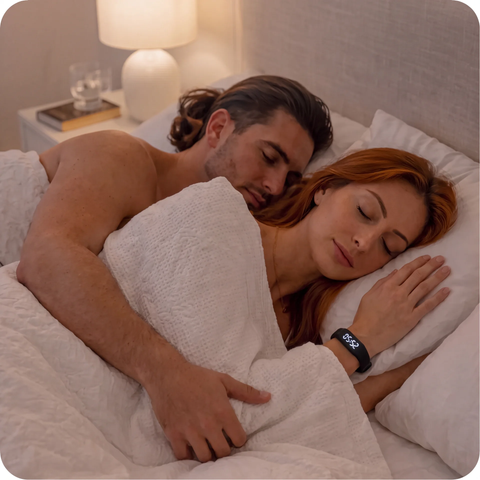
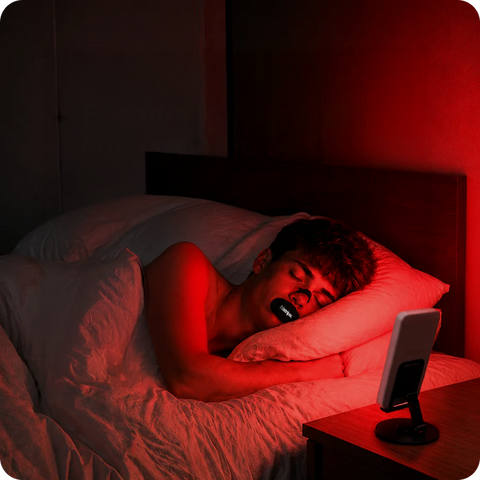
Nasal breathing during sleep may support a more comfortable overnight routine for athletes because the nose helps warm, filter, and humidify incoming air. The practical benefit is highest when easier nasal airflow makes it simpler to stay asleep and wake without dry-mouth or blocked-nose frustration.
Reviewed: 2026-04-28 UTC. This article is educational and is not a diagnosis or treatment recommendation.
What is realistic to expect
- Less dry mouth on waking when mouth breathing is reduced.
- Better comfort when mild congestion or external nasal narrowing is the bottleneck.
- A smoother recovery routine when breathing friction is one of several small problems—not the whole story.
Common blockers to nasal breathing at night
| Blocker | First step |
|---|---|
| Seasonal congestion | Reduce irritants and address the underlying trigger |
| Dry room air | Improve air comfort and hydration habits |
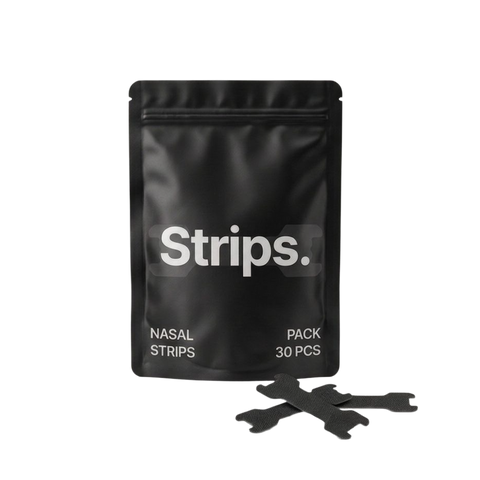
| Mild front-of-nose narrowing | Consider a nasal strip |
| Suspected structural obstruction or sleep apnea | Seek professional evaluation |
Why this matters for athletes
Athletes usually do best when recovery habits are low-friction. If breathing comfortably through the nose is easy, it may support a cleaner sleep routine. If it is difficult, the goal is not to force nasal breathing at all costs. The goal is to identify the reason it is difficult and solve the right problem.
How HISTRIPS fit
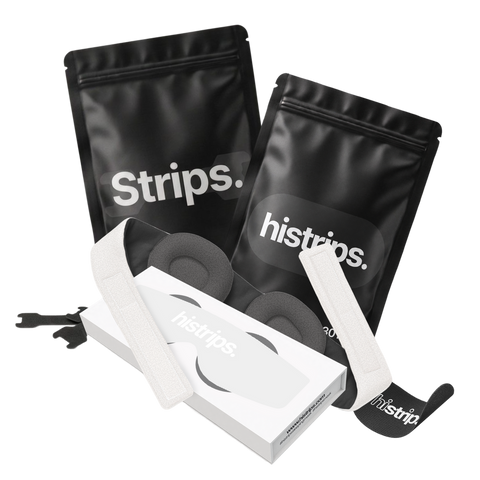
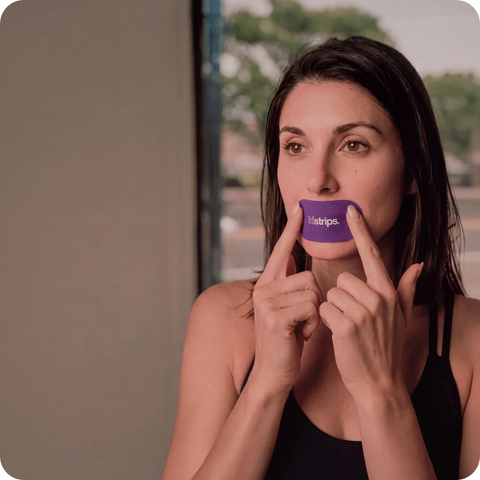
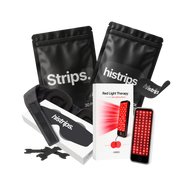
A nasal strip is most useful when the problem is mild airflow resistance at the nasal valve area. It is a simple support tool, not a treatment for every snoring or sleep issue. That distinction matters for both EEAT and user trust.
FAQ
Is nasal breathing always better for athletes?
It is usually the preferred pattern when it is comfortable, but forcing it through a blocked nose is not the goal.
Can nasal strips help during sleep?
They can help some users by mechanically opening the nasal valve area and making nasal airflow feel easier.
Should athletes use nasal strips instead of getting checked?
No. Persistent obstruction, loud snoring, or suspected sleep apnea warrants evaluation.


Leave a comment
This site is protected by hCaptcha and the hCaptcha Privacy Policy and Terms of Service apply.