
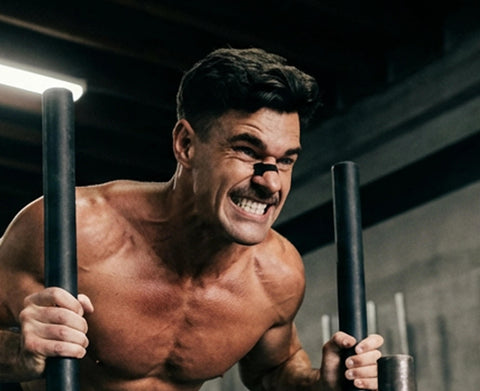


You finished the session 45 minutes ago. The work is done. But the adaptation hasn't started yet.
Muscle repair. Inflammation clearance. Cellular energy restoration. That process takes hours, sometimes days, and the speed of it determines whether your next session is a step forward or a grind through leftover damage.
Most athletes address recovery with sleep, nutrition, and maybe a foam roller. But the highest-performing recovery protocols target the process at the cellular level. That's where red light therapy panels come in.
Not a skincare gadget. Not a wellness trend. A pro-grade recovery tool that delivers specific wavelengths of light directly into muscle tissue to accelerate the repair cycle your body is already running.
This is the complete guide. How red light therapy works, what it does for training recovery, how to time it around sessions, what to look for in a panel, and how it fits into a full performance recovery stack.
How Red Light Therapy Works
Red light therapy, technically called photobiomodulation (PBM), uses specific wavelengths of red and near-infrared light to stimulate cellular activity in the tissue it reaches.
The mechanism starts in the mitochondria. Every cell in your body has mitochondria, the structures responsible for producing ATP (adenosine triphosphate), the molecule that fuels cellular work. Repair, regeneration, inflammation clearance, all of it runs on ATP.
When red and near-infrared light penetrates tissue, it's absorbed by an enzyme called cytochrome c oxidase inside the mitochondria. That absorption accelerates the electron transport chain, the process that produces ATP. More efficient electron transport means more ATP output per cell.
Translation: your cells get more fuel to do repair work, faster.
But the effects go beyond energy production:
-
Reduced oxidative stress. PBM breaks the bond between nitric oxide and cytochrome c oxidase, freeing the enzyme to work at full capacity and reducing the buildup of reactive oxygen species that drives post-exercise inflammation.
-
Increased blood flow. The released nitric oxide acts as a vasodilator, widening blood vessels and improving circulation to the treated area. More blood flow means more oxygen and nutrients delivered to damaged tissue, and faster removal of metabolic waste.
-
Collagen synthesis. Red light stimulates fibroblast activity, increasing collagen production. Collagen provides structural support for muscles, tendons, and ligaments, the connective tissue that takes the most abuse during heavy training.
-
Satellite cell activation. PBM promotes the activation of muscle satellite cells — the stem cells responsible for regenerating damaged muscle fibers. This supports not just repair, but actual muscle tissue remodeling after training stress.
Quick answer: A red light therapy panel delivers red (660nm) and near-infrared (850nm) wavelengths into muscle tissue, boosting mitochondrial ATP production to accelerate recovery, reduce inflammation, and support cellular repair. It is non-invasive, drug-free, and used by pro athletes and sports medicine clinics worldwide.
What Red Light Therapy Does for Training Recovery
The research on PBM for athletic recovery is substantial and growing. Systematic reviews covering dozens of controlled trials consistently identify several athlete-relevant benefits.
Reduced delayed onset muscle soreness (DOMS). This is the most well-documented benefit. Multiple studies show that PBM, applied before or after exercise, significantly reduces the severity and duration of DOMS compared to placebo. The mechanism: lower creatine kinase levels in the blood (a marker of muscle damage) and reduced inflammatory signaling in treated tissue.
Faster return to baseline. Athletes using red light therapy report feeling recovered and ready to train again sooner. In a pilot study on university athletes recovering from sports injuries, those using LED light therapy returned to play in an average of 9.6 days, compared to the anticipated 19.2 days without it. That's a near 50% reduction in downtime.
Reduced inflammation without blocking adaptation. This is critical. Ice baths and anti-inflammatory drugs reduce inflammation, but they also blunt the inflammatory signaling that triggers muscle adaptation. PBM reduces excessive inflammation and oxidative stress without suppressing the adaptive response. You recover faster without sacrificing the training effect.
Improved muscle endurance and fatigue resistance. Some trials show that PBM applied before exercise increases time to exhaustion and total work capacity. The proposed mechanism: pre-loaded mitochondria produce ATP more efficiently during the session, delaying the fatigue cascade.
Supported connective tissue repair. Beyond muscle fibers, PBM promotes healing in tendons, ligaments, and joint tissue through increased collagen deposition and improved local blood flow. For athletes managing tendinopathy, chronic joint stress, or accumulated training load on connective tissue, this is a significant recovery advantage.
The research is clear on the direction: PBM supports recovery across multiple pathways, cellular energy, inflammation, blood flow, and tissue repair. The magnitude varies by protocol, wavelength, and individual response, but the trend across hundreds of studies points one way.
When to Use Red Light Therapy: Before or After Training
Timing matters. PBM works differently depending on when you apply it relative to your session.
Pre-workout (muscular pre-conditioning)
Applying red light therapy 10-30 minutes before training loads the mitochondria with energy before you start working. Studies show pre-conditioning with PBM reduces muscle damage markers and delays fatigue onset. Think of it as priming the cellular engine before you rev it.
Best for: high-intensity sessions, competition days, or any workout where you want maximum output with minimized damage.
Post-workout (recovery acceleration)
Applying PBM within a few hours after training targets the repair phase directly. The increased ATP production and reduced oxidative stress accelerate the recovery processes already underway, clearing damage faster and supporting muscle remodeling.
Best for: heavy strength sessions, long endurance work, or any training block where session density is high and recovery windows are tight.
Both
For athletes in demanding training blocks, two-a-days, competition prep, or high-volume phases, using PBM both before and after produces a compounding effect. Pre-conditioning reduces the damage. Post-session treatment accelerates the repair. The net result: you show up to the next session closer to baseline.
Session protocol: 10-20 minutes per treatment area. Position the panel 6-12 inches from the target muscle group. No special preparation required, just exposed skin and consistent positioning.
What to Look For in a Red Light Therapy Panel
Not all panels deliver the same results. The difference between a recovery-grade panel and a cheap Amazon gadget comes down to a few critical specs.
Wavelengths: 660nm red and 850nm near-infrared
These are the two most clinically studied wavelengths. Red light at 660nm penetrates skin and superficial tissue, effective for surface-level inflammation, skin health, and collagen production. Near-infrared at 850nm penetrates deeper, reaching muscle, tendon, joint, and even bone tissue. A serious recovery panel delivers both.
Irradiance (power density)
Irradiance measures how much light energy reaches a given area of skin, expressed in milliwatts per square centimeter (mW/cm²). Higher irradiance means shorter treatment times and deeper tissue penetration. Look for panels delivering at least 100 mW/cm² at 6 inches. Anything below that requires long sessions for minimal effect.
Panel size
Small panels (handheld, targeted) are fine for a specific injury site, a knee, an elbow, a shoulder. But for training recovery across large muscle groups (quads, back, hamstrings), you need a full-body or half-body panel that covers real surface area. Treating one small patch at a time is impractical for a daily recovery protocol.
LED quality and lifespan
Medical-grade LEDs hold their output over thousands of hours. Budget panels use lower-quality diodes that degrade fast, delivering less energy per session as they age, without any visible indication that performance has dropped.
Dual wavelength control
The ability to run red only, near-infrared only, or both simultaneously gives you flexibility. Red-only for skin and surface recovery. Near-infrared-only for deep tissue. Combined for full-spectrum treatment.
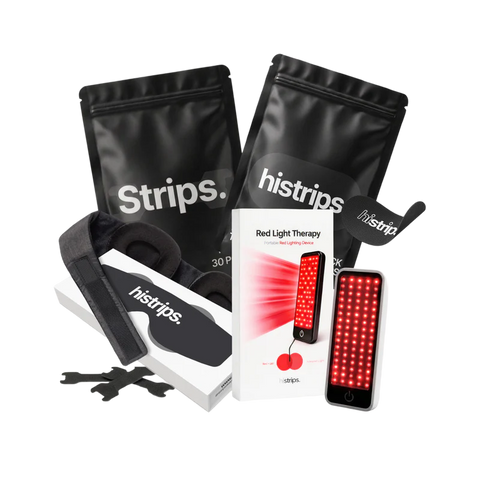
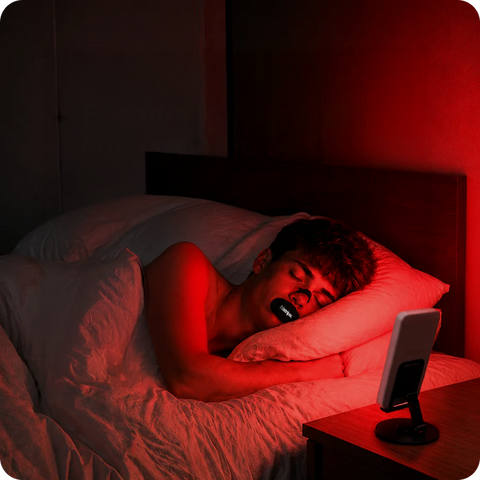
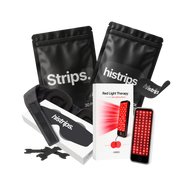
The HiStrips Pro-Grade Red & Infrared Recovery Light Panel delivers dual-wavelength output at 660nm and 850nm with the irradiance and coverage area serious athletes need. It's built for daily use, not occasional skincare sessions. Hang it in your training space, your bedroom, or wherever you recover. Ten to twenty minutes. Every day. The adaptation compounds.
The Full HiStrips Recovery Stack
Recovery is a system. Every tool in the stack addresses a different bottleneck, and the tools compound when used together.
During the day: Red light therapy + nasal breathing during training
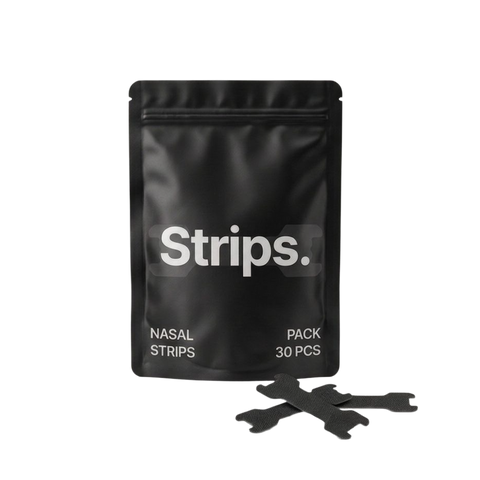
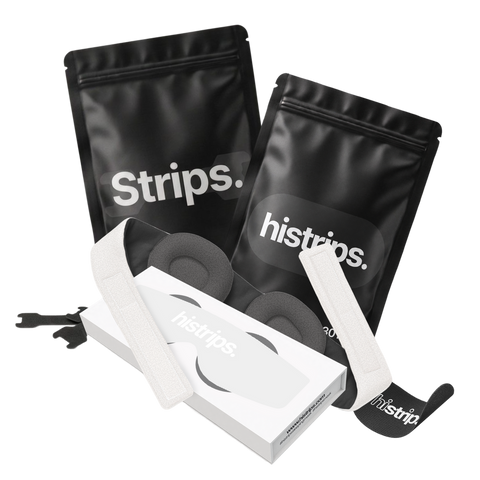
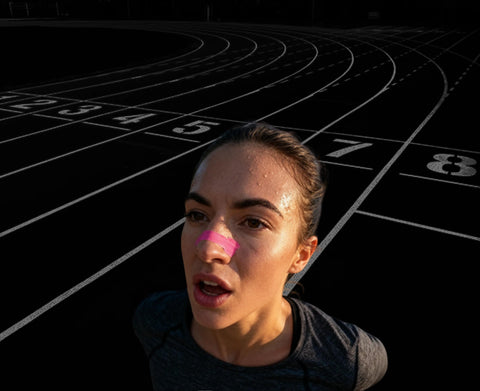
Use the HiStrips Recovery Light Panel pre- or post-session to accelerate cellular repair. Wear HiStrips Classic Nasal Strips during training to keep the nasal airway open, maintain nasal breathing longer at higher intensities, and support nitric oxide production for better oxygen delivery.
During sleep: Mouth tape + nasal strips
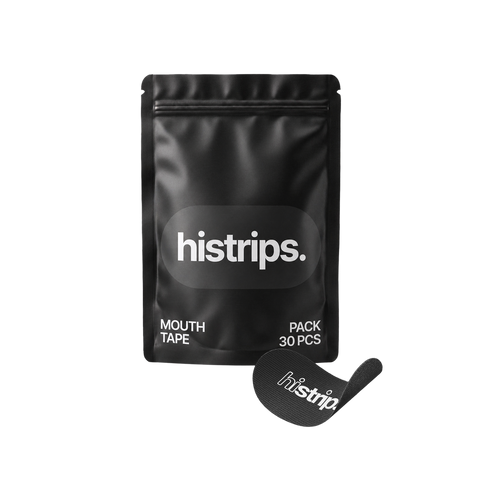
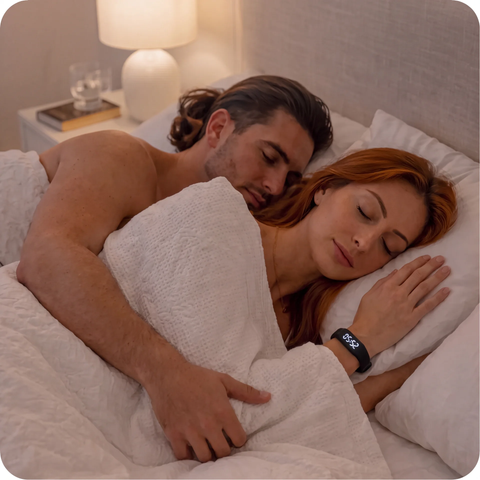
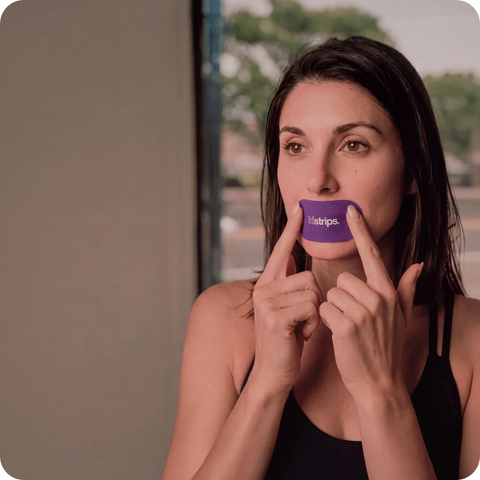
Sleep is the primary recovery window. HiStrips Cotton Mouth Tape keeps your lips sealed so every breath is nasal, supporting deeper slow-wave sleep, lower cortisol, and proper tongue posture. Pair it with nasal strips to ensure the airway stays wide open even when lying flat or congested.
The result: 24-hour recovery optimization.
Red light therapy repairs the tissue. Nasal breathing delivers the oxygen. Sleep consolidates the adaptation. Each tool targets a different link in the recovery chain, and together, they close every gap.
The Elite Performer Kit packages the full stack: nasal strips, mouth tape, and recovery tools in one kit. Everything you need to recover like you train, with intent.
How to Build a Red Light Therapy Habit
The athletes who get the most from PBM are the ones who use it consistently, not the ones who pull the panel out after a brutal session and forget about it for two weeks.
Build the habit the same way you build any training habit: attach it to something you already do.
-
Morning routine: 10 minutes of red light while you drink your coffee or review your training log. Target areas that are sore or scheduled for work that day.
-
Post-training: Set the panel up in your training space. Session ends, you stand in front of the panel for 15 minutes while you cool down and hydrate. No extra time commitment, it runs in parallel with what you're already doing.
-
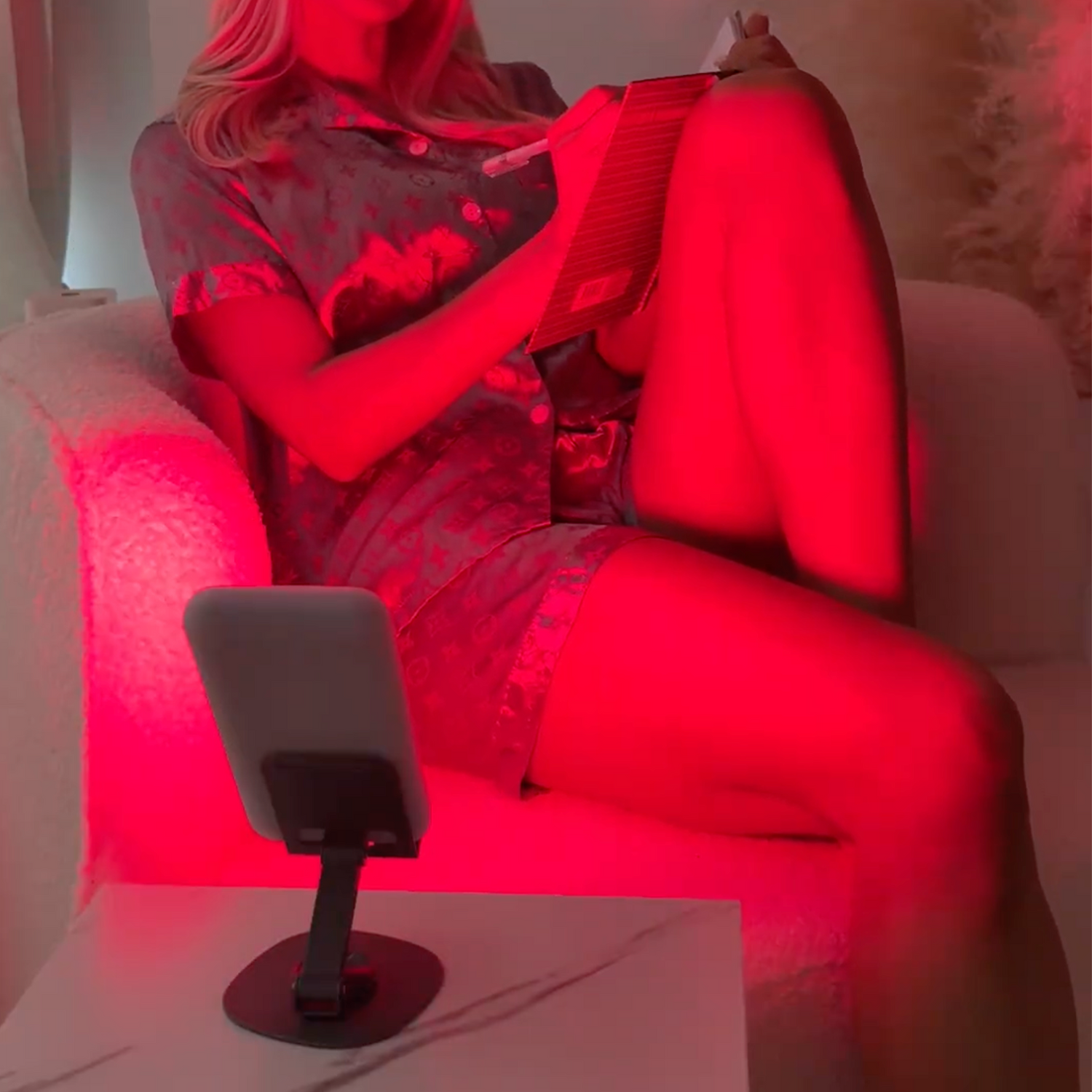
Evening wind-down: 10-20 minutes of red light on your primary muscle groups before bed. Red and near-infrared wavelengths do not suppress melatonin the way blue light does, making evening sessions fully compatible with your sleep protocol.
Consistency beats intensity. A daily 10-minute session delivers more cumulative benefit than a 30-minute session once a week. Build the habit. Let it compound.
The Bottom Line
You break tissue down in training. You build it back in recovery. The faster and more completely that rebuild happens, the more you can train, and the faster you improve.
A red light therapy panel accelerates the cellular engine that drives every recovery process in your body. ATP production. Inflammation clearance. Collagen synthesis. Muscle fiber regeneration. All of it, amplified, in 10-20 minutes a day.
Recovery isn't passive. It's gear. Treat it that way.
HiStrips. Doctor Recommended. Champion Approved.



Leave a comment
This site is protected by hCaptcha and the hCaptcha Privacy Policy and Terms of Service apply.