




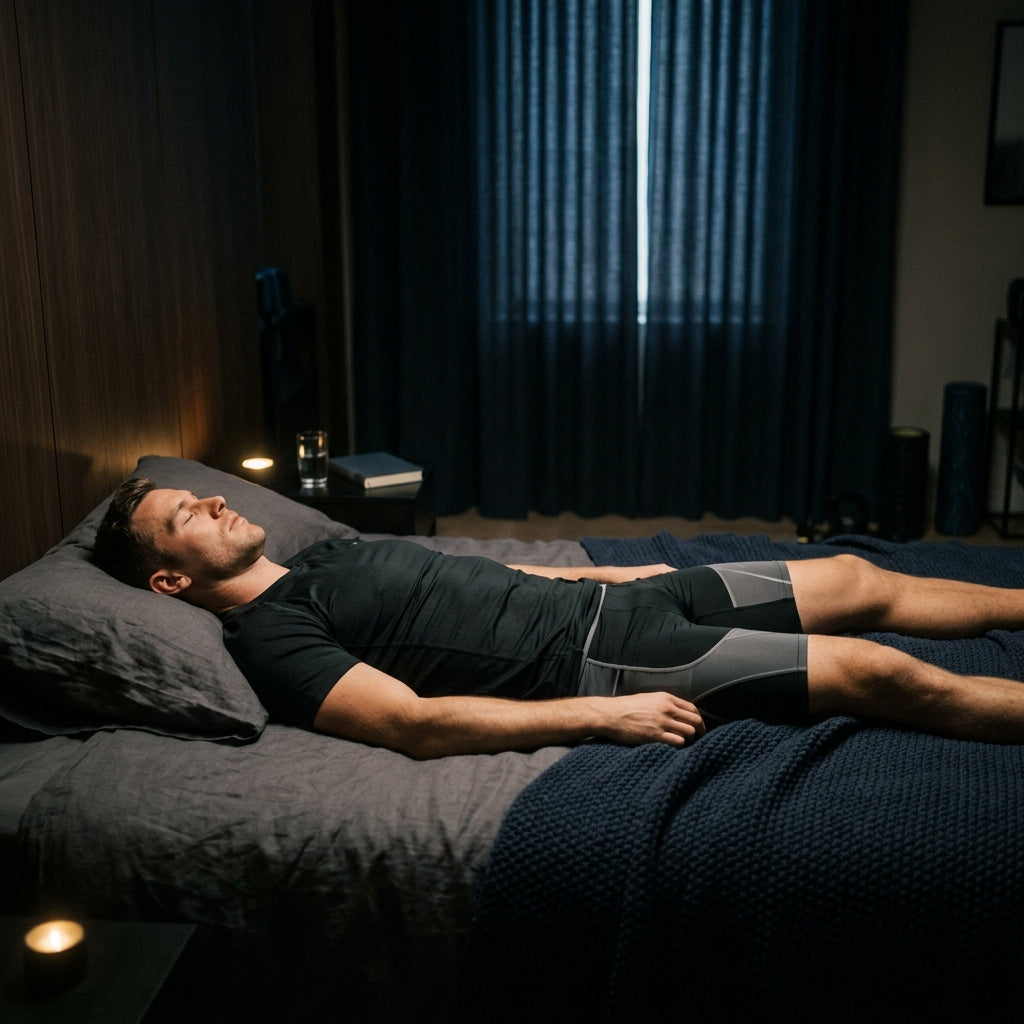
The power nap is one of the most evidence-supported performance interventions available to athletes — and one of the most poorly executed.
Get it right and you add meaningful cognitive and physical performance to your afternoon. Get it wrong — nap too long, wake at the wrong stage — and you create grogginess, sleep inertia, and potential disruption to your night sleep.
The difference between a great nap and a terrible one often comes down to one thing: waking at exactly the right time.
The Physiology of the Power Nap
Sleep pressure — the drive to sleep, mediated by adenosine accumulation in the brain — builds throughout the day. The afternoon dip in alertness experienced between roughly 1–3 PM is a genuine circadian phenomenon, not just post-lunch fatigue (it occurs even in people who haven't eaten). This dip represents a natural biological window for brief sleep that doesn't significantly disrupt night sleep architecture when used correctly.
A strategic nap during this window:
- Clears adenosine — reducing sleep pressure and restoring alertness
- Consolidates procedural memory formed during the morning — relevant for skill-based sport training
- Restores alertness and cognitive performance to near-morning levels
- Reduces cortisol if the nap reaches N2 stage (approximately 10–15 minutes in)
The Nap Length Problem
The risk of napping is entering N3 (deep slow-wave sleep). Once you're in N3, you'll experience significant sleep inertia on waking — often worse than the pre-nap fatigue you were trying to address. N3 entry typically occurs at 20–25 minutes into sleep for most people.
This creates two optimal nap windows:
The 20-minute nap: Catch N2 sleep, clear adenosine, restore alertness. Wake before N3 entry. Result: energized and sharp with no grogginess.
The 90-minute nap: Complete a full sleep cycle including N3 AND REM. Wake at the cycle transition back to N1/N2. Result: fully refreshed, with the deep and REM recovery benefits included.
The no-man's land to avoid: 25–85 minutes. You wake from deep sleep, feel terrible, and have potentially disrupted your night sleep architecture.
This is exactly why a precise, reliable alarm is non-negotiable for effective napping.
What the Research Shows on Athletic Performance
The nap research in athletic populations is consistently positive:
- A 2011 study in the Journal of Sports Sciences found that a 30-minute nap (with 10 min wake-up buffer, so approximately 20 min actual sleep) significantly improved sprint performance, reaction time, and short-term memory in male athletes compared to control
- Research on tennis players found that afternoon napping improved serve accuracy and reaction time in simulated match conditions
- Studies on cyclists found acute performance improvements in time trial performance following afternoon naps
- Multiple studies on team sport athletes have documented improved sprint times and cognitive performance following 20–30 minute daytime naps
The cognitive performance improvements are particularly relevant for technically complex sports — tennis, cycling tactics, Hyrox strategy, team sport decision-making.
The Nap Protocol for Athletes
Timing: 1–3 PM is optimal. Avoid napping after 3 PM if you have night training or early bedtime — it will delay sleep onset.
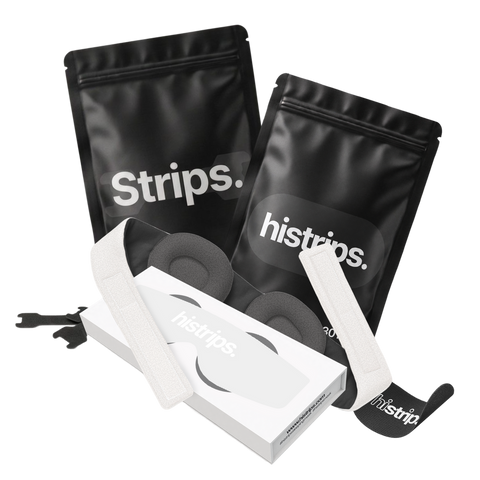
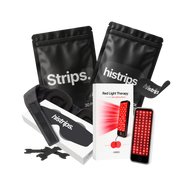
Environment: Dark (Eclipse Sleep Mask), quiet (HiStrips Earplugs), comfortable temperature. The same environmental conditions that optimize night sleep apply to napping.
Duration:
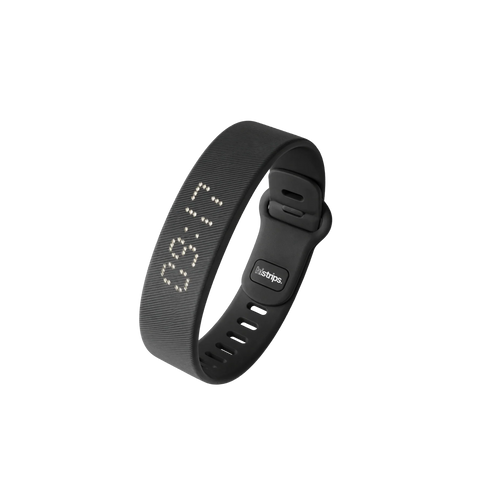
- 20 minutes: standard power nap — set the Onyx Vibration Alarm precisely
- 25 minutes: includes 5 min to fall asleep + 20 min sleep — total time including sleep onset
- 90 minutes: full recovery nap — reserve for days with reduced night sleep or high cumulative fatigue
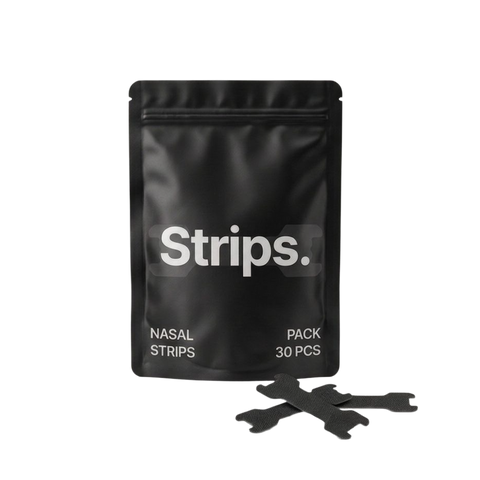
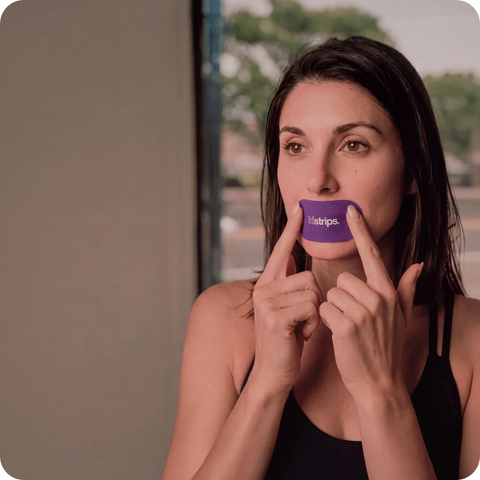
Nasal strips: Wear HiStrips during naps — particularly important if napping after training when nasal congestion from effort can otherwise force mouth breathing and reduce sleep quality
Post-nap activation: 5 minutes of light movement (walk, dynamic stretching) after waking fully activates the cognitive benefits and clears any residual grogginess
Why the HiStrips Onyx Vibration Alarm Is the Ideal Nap Timer
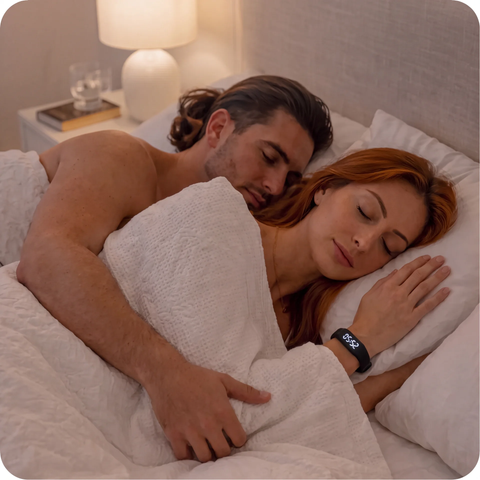
Nap precision matters. A phone alarm is fine — but if you're napping in a shared space (team facility, hotel room, training camp dormitory), an audio alarm disturbs everyone else. A wrist vibration alarm from the Onyx is:
- Silent — no disturbance to teammates, partners, or housemates
- Impossible to sleep through — wrist vibration is highly effective even in light sleep stages
- Precise — set to exactly 20 or 90 minutes for optimal nap cycle completion
- Gentle wake — minimal sleep inertia compared to audio alarm
The 20-minute nap with a precise, silent Onyx alarm is arguably the highest ROI 20-minute investment available to a training athlete. More alertness, better cognitive performance, and accelerated recovery for the afternoon session — without any disruption to your teammates or night sleep.
Twenty minutes. Maximum impact. Shop the HiStrips Onyx Vibration Alarm →



Leave a comment
This site is protected by hCaptcha and the hCaptcha Privacy Policy and Terms of Service apply.