
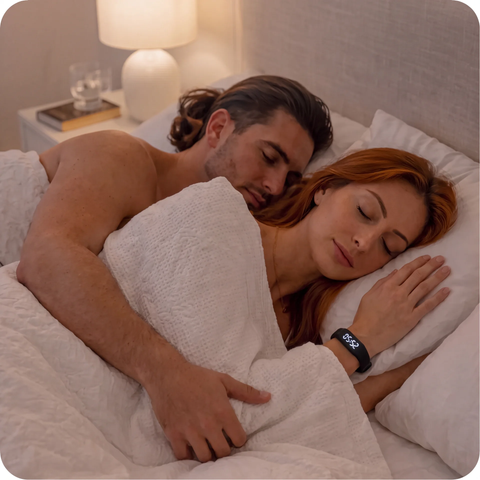





Your alarm goes off. You jolt awake, heart hammering, cortisol spiking. Before you've opened your eyes, your body is already in stress mode — and your recovery window is over.
Most athletes obsess over sleep quality. Almost none of them think about how they wake up. That's a problem, because a jarring alarm at the wrong phase of your sleep cycle can undo hours of recovery in seconds.
Why Conventional Alarms Destroy Athletic Recovery
Standard phone alarms are blunt instruments. They fire at a fixed time — regardless of where you are in your sleep cycle. If that moment lands during deep sleep (slow-wave sleep), you get hit with sleep inertia: the groggy, disoriented state that can last 30–60 minutes and tanks cognitive performance, reaction time, and mood.
Research from Brigham and Women's Hospital found that abrupt awakenings from deep sleep elevated cortisol by up to 30% compared to natural waking. For athletes in heavy training blocks, that's the last hormonal environment you want first thing in the morning.
The Smart Alternative: Sleep-Phase Alarms
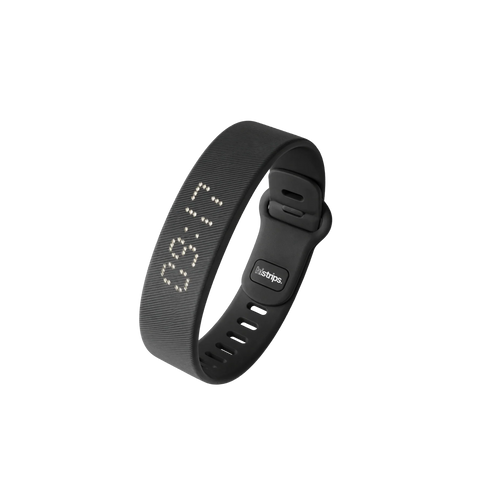
Wearable devices like the WHOOP, Oura Ring, and certain Garmin models now include smart alarm features. Instead of waking you at a fixed time, they monitor your sleep stages and trigger the alarm during a light sleep phase within a 20–30 minute window before your target time.
The result: you wake up closer to the surface of sleep, heart rate already rising naturally, cortisol ramping gradually. You feel alert within minutes instead of 45.
Key benefits athletes report:
- Morning HRV readings are more stable (less cortisol interference)
- First-hour mental clarity improves — better for early training sessions
- Reduced grogginess on consecutive early-morning training days
- Faster time-to-breakfast appetite (key for fueling pre-training)
Nasal Breathing Amplifies Morning Recovery
How you breathe during the final hours of sleep directly affects how rested you feel when you wake. Mouth breathing during sleep triggers micro-arousals — brief awakenings your conscious mind never registers, but your HRV does.
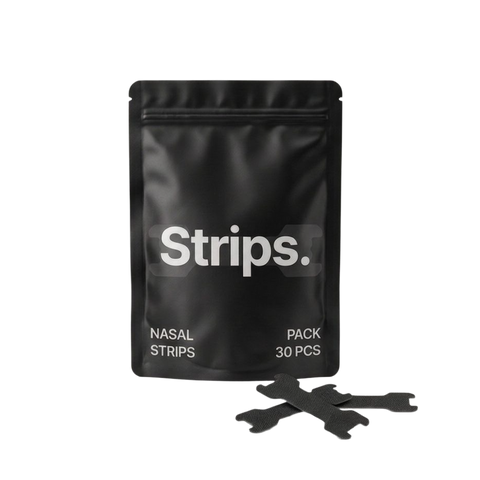
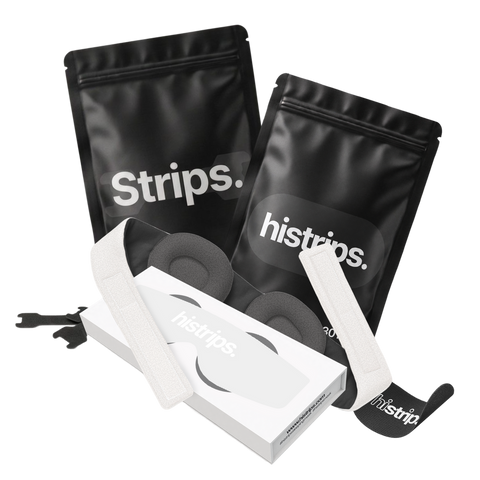
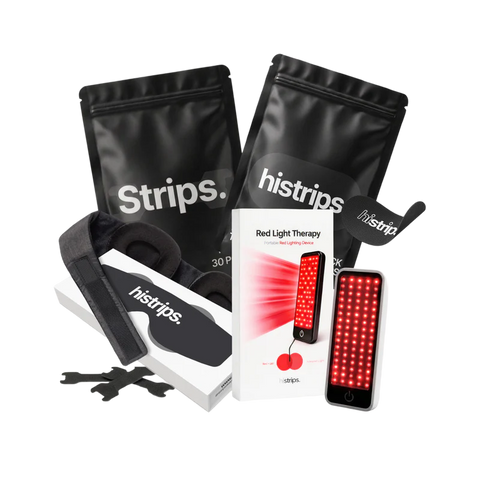
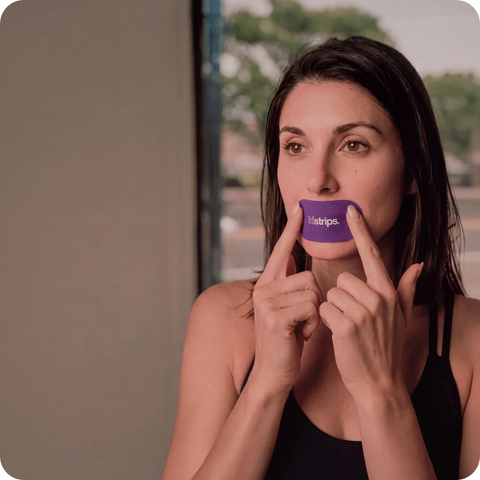
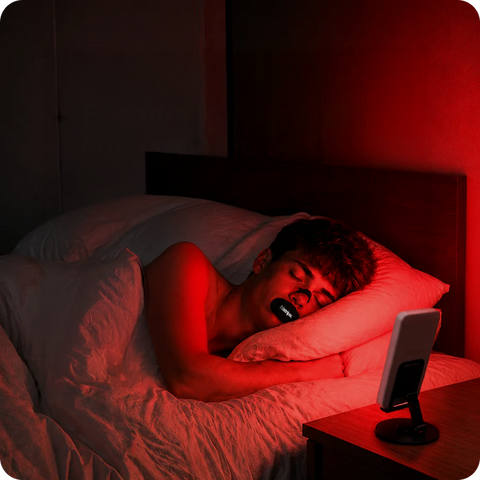
Athletes who switch to nasal breathing at night (using nasal strips like HiStrips to keep the airway open) report waking with higher HRV, lower resting heart rate, and reduced morning fatigue — even before changing anything else about their sleep environment.
The mechanism is simple: nasal breathing maintains better oxygen saturation through the night, allowing deeper, more restorative sleep phases to run their full course without interruption.
The Morning Stack That Protects Your Recovery
Here's the protocol elite athletes are using:
- Smart alarm — wake during light sleep phase (WHOOP, Oura, or Garmin)
- HiStrips overnight — maintain nasal airflow through sleep, improve overnight oxygen saturation
- No phone for 20 minutes — let cortisol and alertness ramp naturally before hitting notifications
- Sunlight exposure within 30 minutes — anchors your circadian rhythm and accelerates cortisol clearance by evening
- Delay caffeine 90 minutes — let adenosine clear first so the caffeine actually works
The Bottom Line
Waking up is a performance variable. The difference between a 6am blaring alarm and a gentle smart-alarm wake-up during light sleep is measurable in HRV, cortisol, cognitive function, and mood for the hours that follow.
Start with your wake-up protocol. It costs nothing to change — and it might be the cheapest performance gain you haven't tried yet.



Leave a comment
This site is protected by hCaptcha and the hCaptcha Privacy Policy and Terms of Service apply.