






Nasal Obstruction and Anxiety: The Hidden Connection
Nasal obstruction and anxiety can reinforce each other. When breathing feels labored—especially at night or during exercise—people may feel more tense, alert, or unsettled. That does not mean every anxiety symptom is caused by the nose, but it does mean easier breathing can be an important piece of the overall picture.
Reviewed: 2026-04-28 UTC. This article is educational and is not a diagnosis or treatment recommendation.
Why the connection feels real to so many people
- A blocked-feeling nose can make breathing feel less automatic.
- Poor overnight comfort can increase stress the next day.
- Exercise and recovery routines are harder to maintain when breathing never feels settled.
Common reasons the nose feels blocked
| Possible issue | Practical first step |
|---|---|
| Seasonal congestion | Reduce triggers and support the airway |
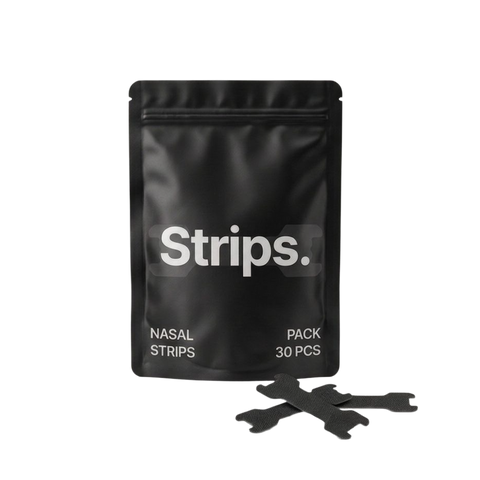
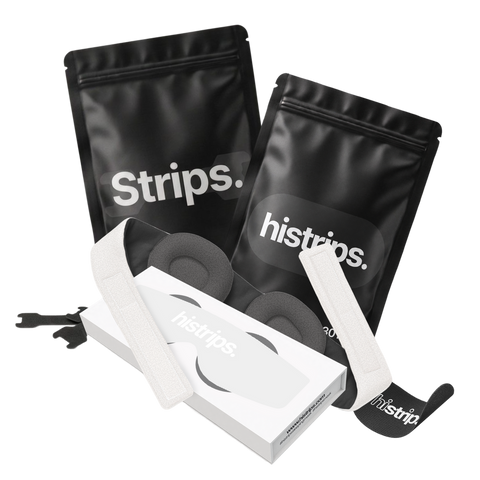
| Mild external narrowing | Consider a nasal strip |
| Structural obstruction | ENT evaluation |
| Heavy snoring or breathing pauses | Sleep evaluation |
What to avoid overclaiming
A nasal strip is not an anxiety treatment. It may help when easier airflow reduces one source of discomfort or nighttime frustration. That is a narrower, more evidence-aware claim—and a more useful one for readers.
FAQ
Can nasal obstruction worsen anxiety?
It can make some people feel more stressed or uncomfortable, especially when it interferes with sleep or exercise.
Will a nasal strip fix anxiety?
No. It may only help when mild nasal airflow resistance is part of the problem.
When should someone get checked?
If obstruction is persistent, one-sided, painful, or paired with heavy snoring or suspected sleep apnea, evaluation is sensible.



Leave a comment
This site is protected by hCaptcha and the hCaptcha Privacy Policy and Terms of Service apply.