


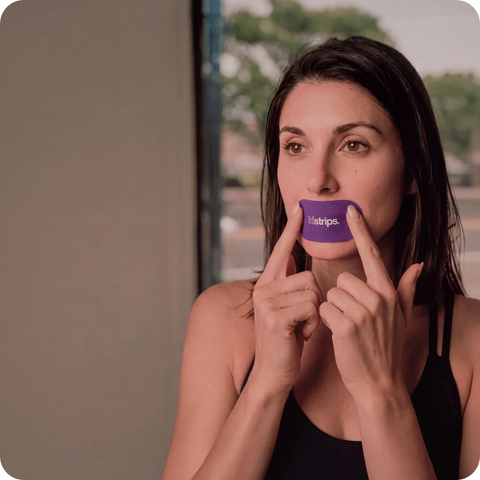




A blocked nose is more than an inconvenience — for athletes, it's a performance limiter. Whether caused by a seasonal cold, allergies, or exercise-induced congestion, restricted nasal airflow affects your breathing, your sleep, and your recovery. Can nasal strips help? The short answer is yes — and without a single milligram of medication.
Why Does Nasal Congestion Happen?
Nasal congestion occurs when the soft tissues lining the nasal passages become inflamed and swollen, restricting airflow. Common causes include:
- Viral infections (the common cold, flu)
- Allergic rhinitis (hay fever, dust, pet dander)
- Exercise-induced rhinitis — increased blood flow to nasal tissue during physical activity
- Environmental factors (cold air, pollution, dry air)
- Structural issues (deviated septum, enlarged turbinates)
In all of these cases, airflow is restricted at the nasal valve or further inside the nasal passage — and breathing becomes laboured.
Mechanical Relief vs Medicated Relief
Most over-the-counter congestion remedies work chemically. They reduce tissue swelling through vasoconstriction or anti-inflammatory action. They work, but they come with risks: rebound congestion from nasal sprays used more than 3-5 days, drowsiness from antihistamines, and cardiovascular effects from oral decongestants.
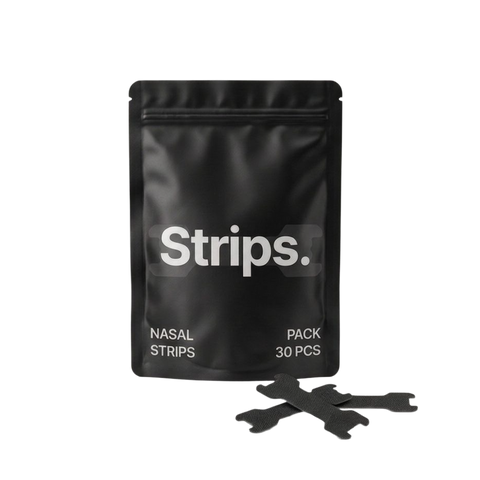
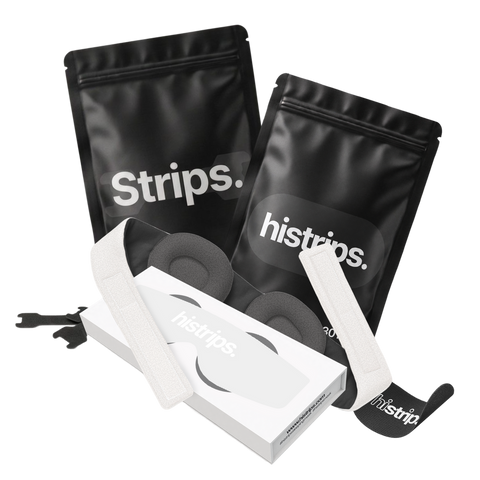
Nasal strips work differently. They don't address the tissue swelling directly — instead, they mechanically widen the external nasal valve to create more space for air to pass through despite the swelling. Think of it as opening the airway door wider rather than trying to reduce the thickness of the door frame.
This distinction matters enormously for athletes who cannot afford to be drowsy, distracted, or reliant on daily medication.
Best Times to Use Nasal Strips When Congested
- At night — congestion often worsens when lying down, as gravity no longer assists drainage. A nasal strip before bed keeps the airway more open for better sleep and recovery.
- During training — if pushing through a light cold or allergy episode, HiStrips ensure you can maintain nasal breathing despite reduced nasal capacity.
- During long travel — dry cabin air and recirculated air on flights increase congestion. Strips provide drug-free relief for the duration.
Using HiStrips While Training with a Cold
The "neck check" rule applies when deciding whether to train with a cold: if symptoms are above the neck (runny nose, mild congestion), light-to-moderate training is generally considered safe. For above-the-neck illness, HiStrips allow you to maintain nasal breathing during reduced-intensity training sessions — keeping the nitric oxide and filtration benefits active when your nasal passages are somewhat compromised.
Frequently Asked Questions
Can nasal strips unblock a completely stuffed nose?
Nasal strips are most effective when the nasal valve is the primary restriction point. In mild-to-moderate congestion, strips are highly effective at improving airflow meaningfully — which is the case for most everyday congestion scenarios.
Should I use nasal strips and a decongestant spray together?
Yes, this is a valid combination for severe congestion. Use the decongestant spray as directed, and complement it with a nasal strip to maximise airflow. This approach often allows shorter decongestant use as the mechanical assist from the strip does some of the work.
Do nasal strips help with allergy-related congestion?
Yes. HiStrips provide effective mechanical relief for allergy-induced congestion. They keep the airway more open despite the swelling — which is often enough for athletes to train and compete during allergy season.
Breathe Through It
Congestion doesn't have to derail your training or ruin your sleep. HiStrips offer immediate, drug-free relief that works alongside your body rather than overriding it with medication.
Get HiStrips at histrips.com — and breathe through your next cold, allergy season, or tough training block.


Leave a comment
This site is protected by hCaptcha and the hCaptcha Privacy Policy and Terms of Service apply.