






In combat sports, every breath counts. The ability to sustain effort, recover between exchanges, and maintain composure under pressure is directly tied to respiratory efficiency. Elite MMA fighters, boxers, and Muay Thai competitors increasingly use nasal strips as a tool to gain a breathing edge — and the physiological reasoning is compelling.
The Oxygen Demand in MMA and Combat Sports
MMA is one of the most metabolically demanding sports in existence. A single round combines explosive anaerobic efforts (takedowns, striking combinations) with sustained aerobic work (grappling, positional control). VO2max is a significant predictor of combat sport performance — and maximising oxygen intake with every breath is a critical part of that equation.
During intense grappling exchanges or after absorbing a hard shot, the instinct is to mouth breathe rapidly. But fighters who can sustain or quickly return to nasal breathing recover faster between exchanges, stay calmer under pressure, and maintain better cognitive function throughout a fight.
The Breathing Edge: Why Nasal Strips Matter in Combat Sports
Nasal breathing produces nitric oxide in the sinuses — a vasodilator that improves blood flow and oxygen delivery to working muscles. This advantage is amplified in combat sports where fighters need to recover rapidly between high-intensity bursts of effort.
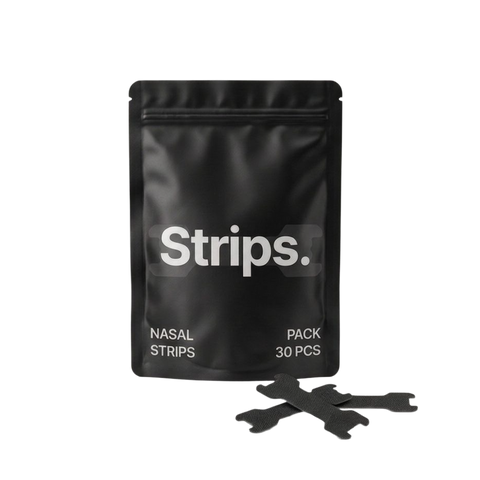
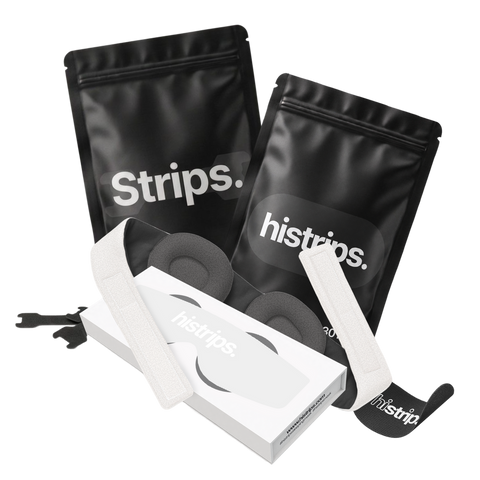
By widening the nasal valve and reducing airflow resistance, HiStrips make it physically easier to breathe through the nose at intensities where most athletes switch to mouth-only breathing. This keeps the nitric oxide pathway open and supports faster between-round recovery.
Deviated Septum: A Common Issue in Combat Athletes
Years of taking shots to the nose — and the resulting injuries — mean that many experienced fighters have deviated septums or damaged nasal structures that further restrict airflow. Nasal strips cannot correct a deviated septum, but they can provide meaningful relief at the external nasal valve, helping fighters with structural nasal issues breathe more freely in training.
For fighters awaiting or recovering from septoplasty, HiStrips are a practical interim solution that improves training quality without pharmacological intervention.
Famous Fighter Use of Nasal Strips
The sight of nasal strips in high-level MMA and boxing is well established. Fighters have been spotted wearing nose strips in training and competition for decades — from world championship boxing matches to elite UFC bouts. The strips are visible, practical, and require no explanation: they help you breathe better when it matters most.
How to Use HiStrips in Combat Sports Training
- Apply before sparring rounds to test adhesion and performance in a training environment before using in competition.
- Ensure clean, dry skin — wipe the nose area before application, particularly if you've been warming up. In training environments with face paint or grease, this step is especially important.
- Use during drilling and conditioning as well as sparring — the habit of nasal breathing is built in lower-intensity environments first.
- Apply on fight day well before warm-up to ensure full adhesion before sweating begins.
Competition Rules and Nasal Strip Legality
Nasal strips are drug-free mechanical devices with no pharmacological effect. They are not on the WADA prohibited list and are permitted in virtually all combat sport competitions. Check specific promotion rules if in doubt, but in general, nasal strips are universally legal in MMA, boxing, kickboxing, Muay Thai, wrestling, and BJJ competitions.
HiStrips contain no banned substances and leave no pharmacological trace — they are simply a mechanical tool for better breathing.
Frequently Asked Questions
Will a nasal strip stay on during sparring?
Yes — HiStrips' sweat-resistant adhesive is designed to hold through heavy sweating when applied to properly prepared (clean, dry) skin. For contact sparring, apply HiStrips during pad work and drilling before progressing to full contact sessions to confirm adhesion performance for your skin type.
Can nasal strips reduce gas-out during MMA rounds?
Nasal strips help by keeping nasal breathing viable at higher intensities, supporting faster oxygen delivery and recovery between exchanges. While they won't prevent gas-out caused by poor conditioning, they can meaningfully extend the intensity threshold at which nasal breathing remains possible — which supports better recovery within rounds.
Are nasal strips allowed in UFC competitions?
Yes. Nasal strips have no drug effect and are permitted under athletic commission rules. They are commonly seen on fighters in UFC, Bellator, ONE Championship, and other major promotions during both training and competition.
Your Breath Is Your Weapon
In combat sports, composure under pressure starts with breathing. Fighters who control their breath control the pace — and the outcome. HiStrips are built for athletes who refuse to leave any edge unexploited.
Shop HiStrips at histrips.com — and fight every round breathing at full capacity.


Leave a comment
This site is protected by hCaptcha and the hCaptcha Privacy Policy and Terms of Service apply.